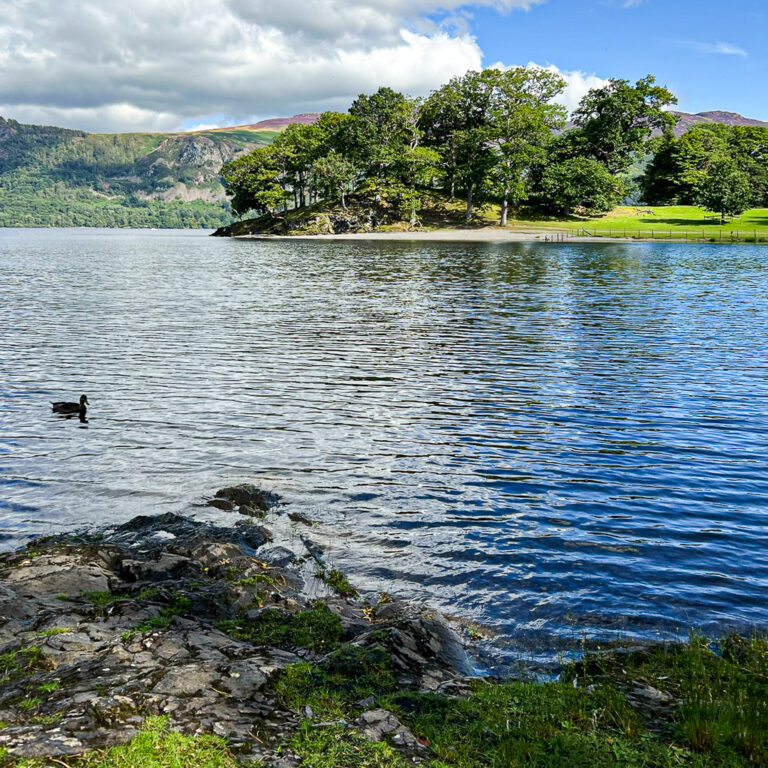
Lake District Landscape Character
The landscape of the Lake District has many different characters – the region is so vast spanning from coast to high mountains.
The landscape of the Lake District has many different characters – the region is so vast spanning from coast to high mountains.

This is NT Stowe in Buckinghamshire one of the best known 18th century English Landscape Gardens. This type of garden is vast and really only accessible to the very rich who often created them as a statement as much as just because they could.
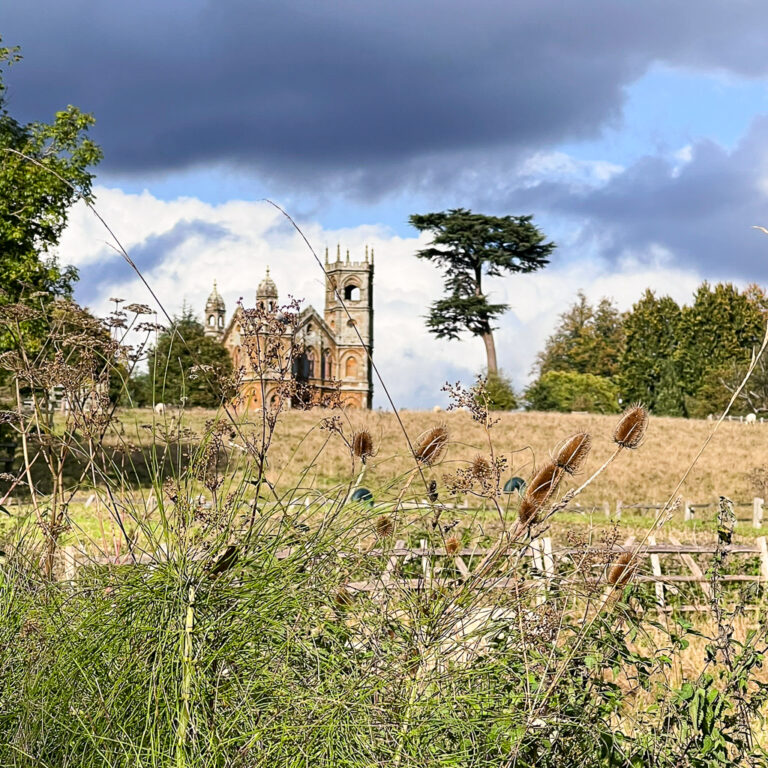
I recently visited NT Stowe, Buckinghamshire, a huge ‘garden’ full of ‘garden’ buildings, statues, dams and bridges, created by Viscount Cobham from 1717 working with several landscape designers and architects
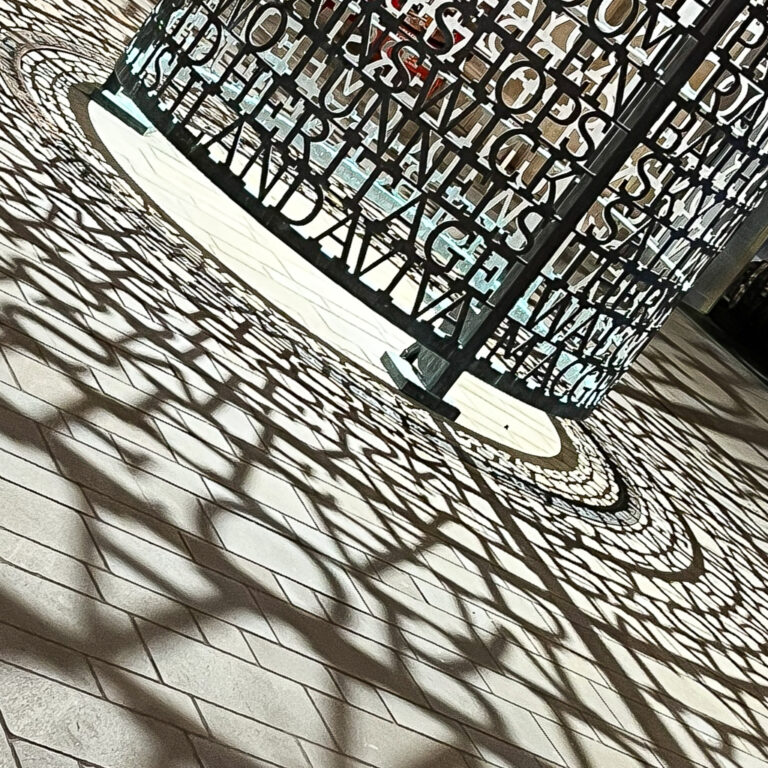
I love the way the shadows of this sculpture play across the stone paving when the lights come on in the evening. It’s a focal point, art installation, meeting point, lighting and way finder.
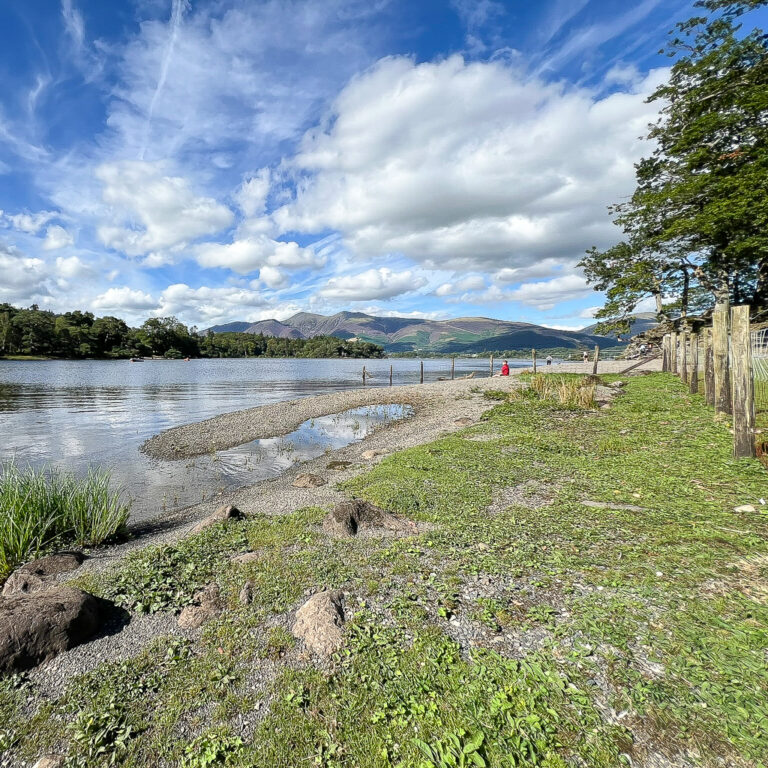
The Lake District: characterised by steep, towering mountains, vast lakes and walking gear. We had our family holiday here in August and it is stunning. Do visit.

All around the UNESCO World Heritage Site of medieval Siena you see these wonderful iron horse tethers fixed into the walls of buildings at about 6′ high. There are 17 different designs across the city each advertising which ‘ward’ or ‘contrada’ they represent.
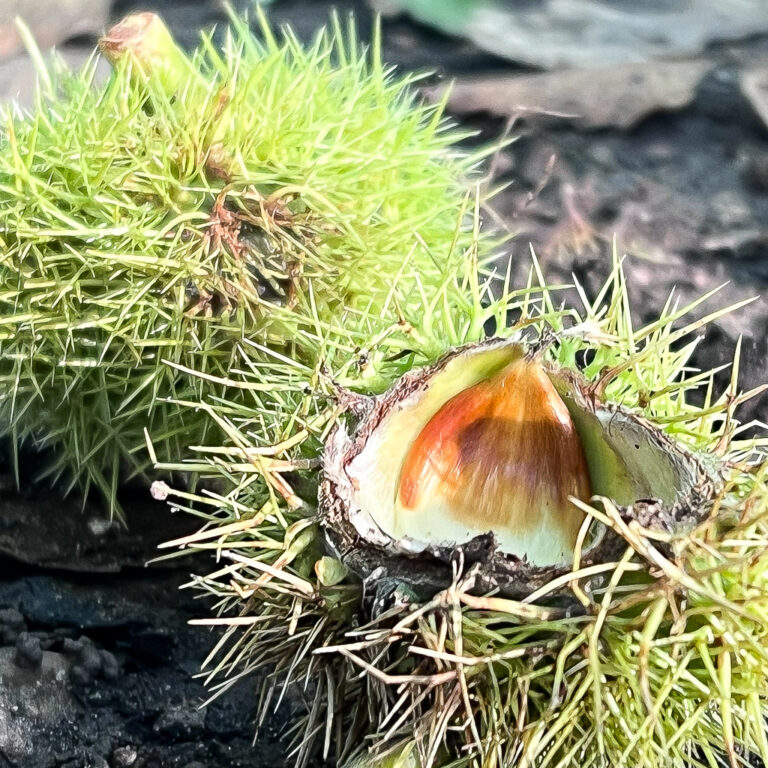
The parkland at NT Calke Abbey has many beautiful huge, old sweet chestnuts. Some have long, trailing branches that appear to prop it up like a drapey candelabra and this is quite possibly what they are doing.
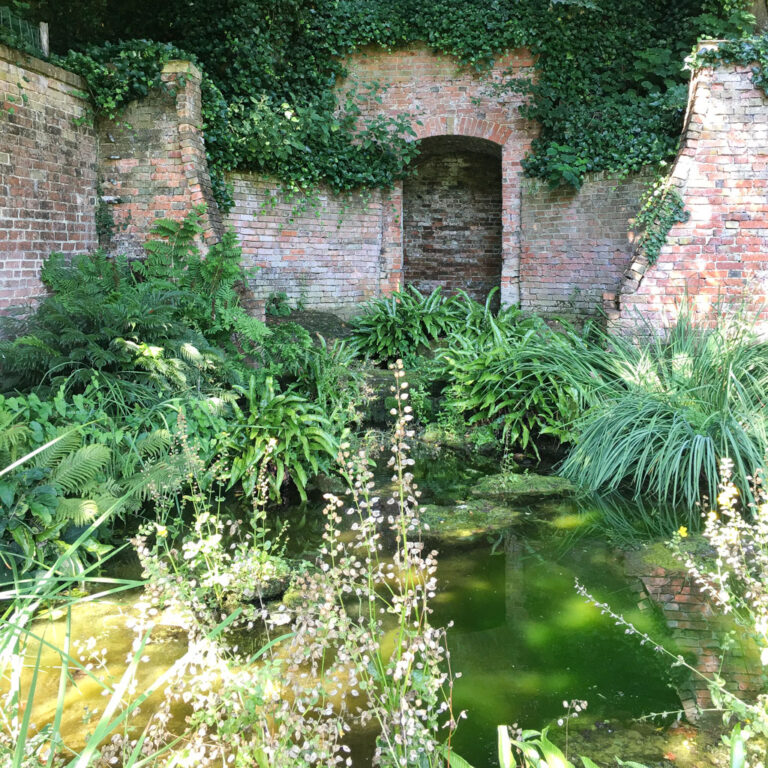
The vast acreage of the Upton House gardens (National Trust) may be difficult to replicate but there are plenty of design ideas that can inspire and be used on a much smaller scale. This is a quiet, shady corner on a little path feels quite enclosed and hidden.

This bright blue firework of a flower is an eryngium (or sea holly) – a fabulous architectural plant. There are many different eryngiums mostly grown ornamentally and can be annual or perennial (this one is perennial), usually blue or white (the most well-known being ‘Miss Willmott’s Ghost’).
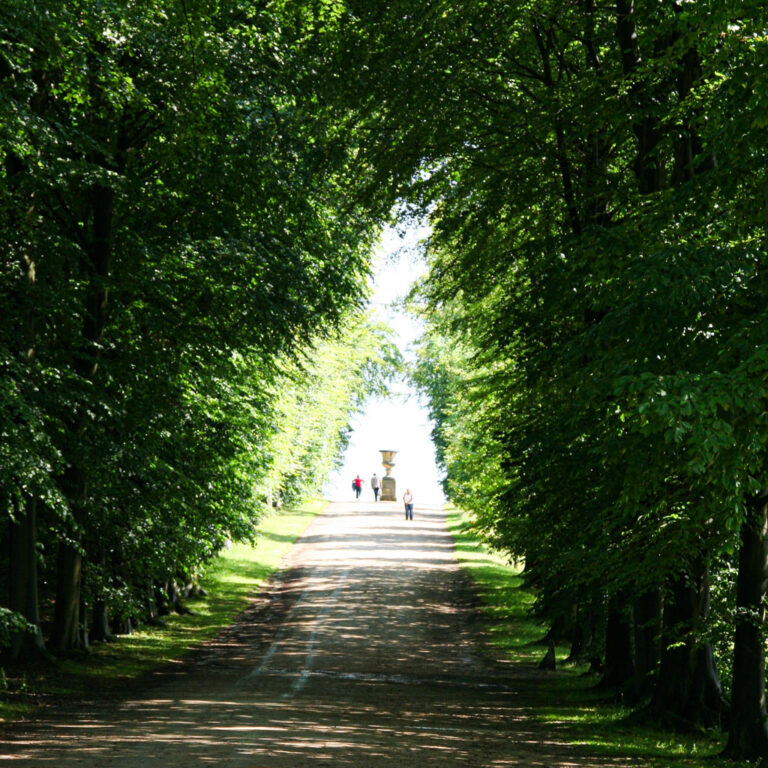
Eyecatchers are a great way to draw people around a garden and to show them where you’d like them to go – that there’s something else to see. Not many of us have the space that they have at Chatsworth to play with eyecatchers on this scale, but they work on any scale.

I love taking photos of buildings in reflections and through old wonky glass. I love the way the glass distorts the building and how you view it. It brings another dimension to the scene. This image also plays with the scale of people
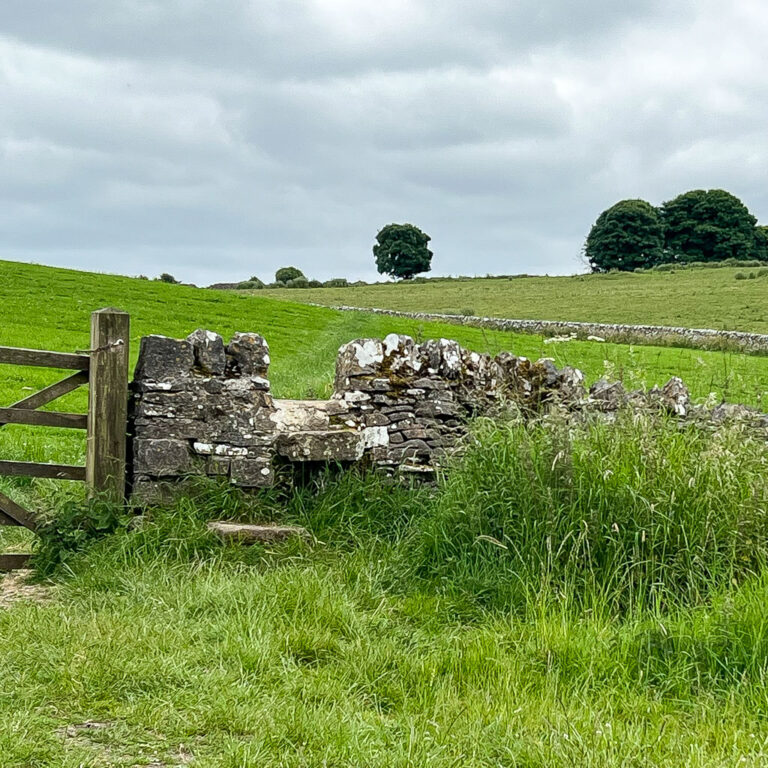
For me, the Peak District is characterised by its thousands of miles of dry stone walls which vary in colour depending on whether they’re in an area of brown gritstone (sandstone) or light grey limestone – the limestone is my favourite for walling but the gritstones make wonderful millstones which are still used decoratively around the region.
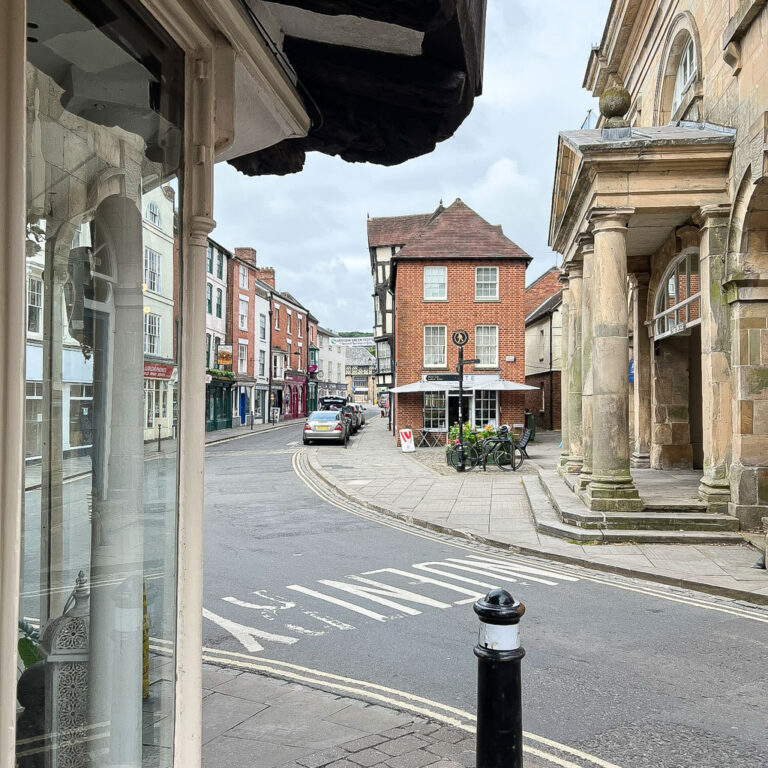
Had a flying look around Ludlow at the weekend. It’s a lovely town – so many different styles of architecture, lots of narrow winding streets, numerous independent shops.
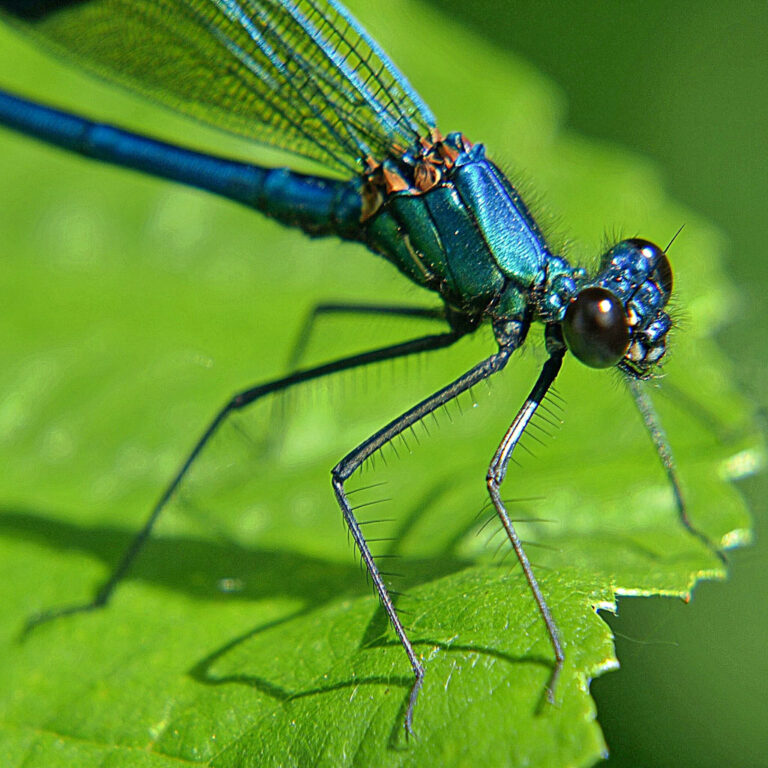
I touched on damselflies and dragonflies in my last post so thought I’d look into them a bit more today. Five ways to tell them apart: Bodies: damselfly’s long, thin and fragile looking; dragonfly’s are chunkier

I visited Weston Park for the first time this week for a heritage event – previously I’ve only got as far as The Granary restaurant. It’s a fabulous place so if you’re at a loose end this weekend and it’s good weather, I highly recommend it.
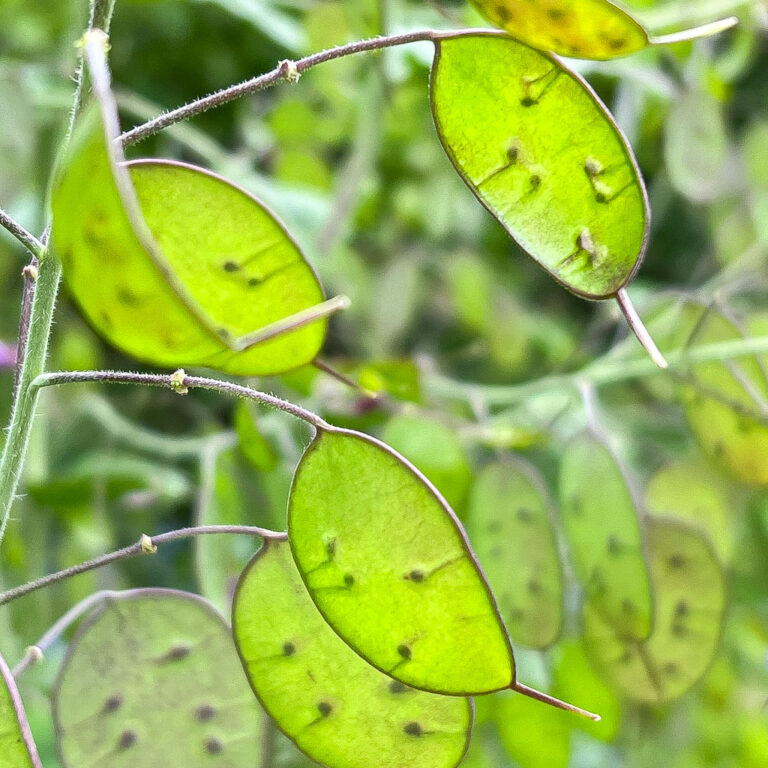
These seed pods belong to the plant honesty. It’s a lovely plant originally from central and southern europe which has been adopted by gardeners, mainly for these unusual seed pods. There are a few varieties but only two colours: purple or white.
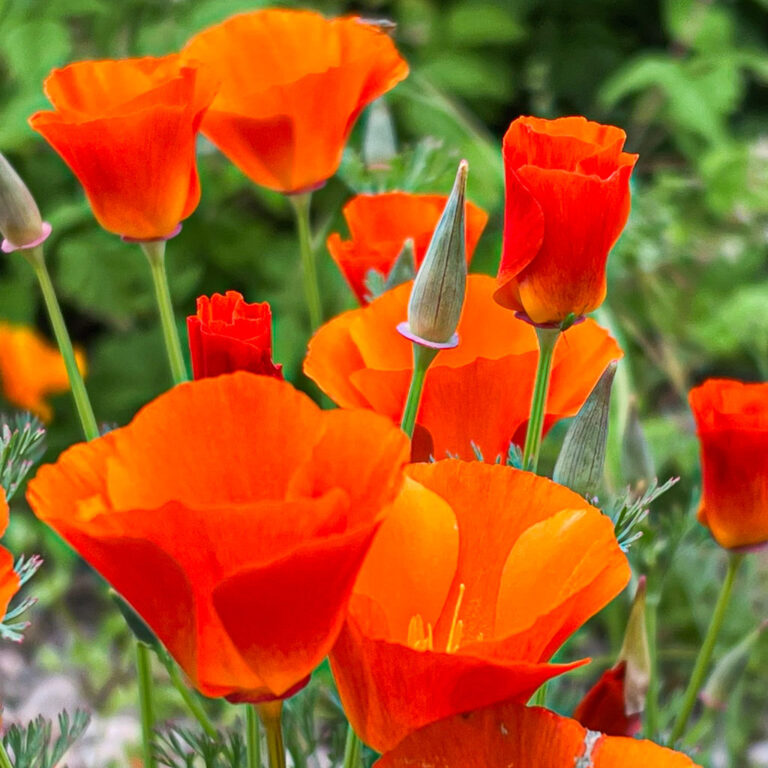
These are zingy! Even more so in real life – I couldn’t quite get the red tones when photographing them. They’re California poppies (or Eschscholzia californica) – very easy to grow from seed and will self-seed wherever they fall.

I love this path. It’s simple, fun, functional, pragmatic, suits its informal location, uses natural materials and looks really good. It just illustrates too that a garden and its features don’t have to be overthought or over-engineered – they can just do what they set out to do and job done.

There’s a country lane near the kids school that I often walk down which sings with the calls of a Yellowhammer. It’s a distinctive call and stands out against all others. It’s high pitched and seems that the bird is saying “little-bit-of-butter-no-cheeeeese!”
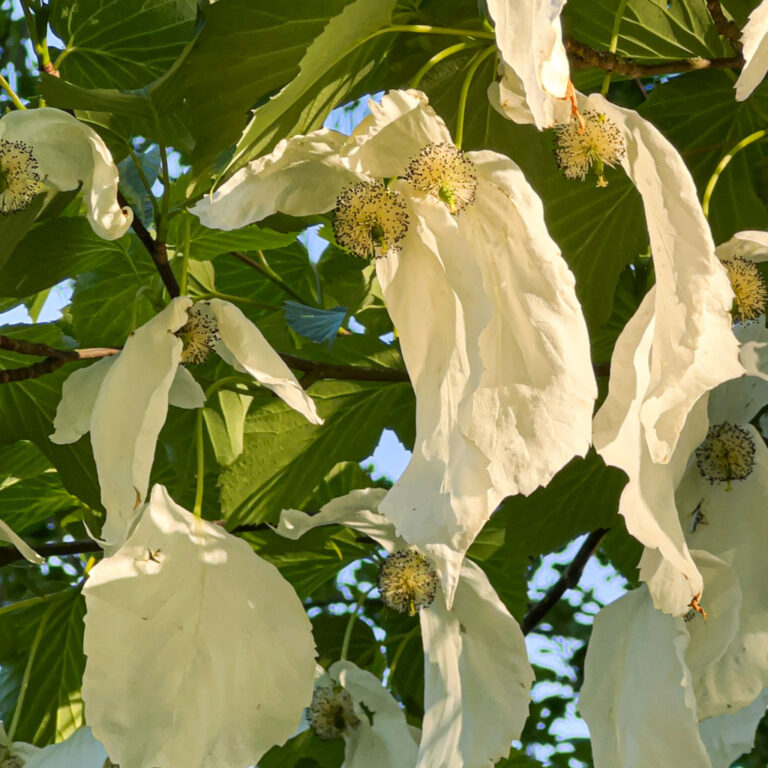
If you’re after an unusual tree, try this: the Handkerchief tree or ‘Davidia involucrata’, or Dove tree. So called due to these fabulous paper-thin, pale green-white, handkerchief-like flowers dangling from the branches.
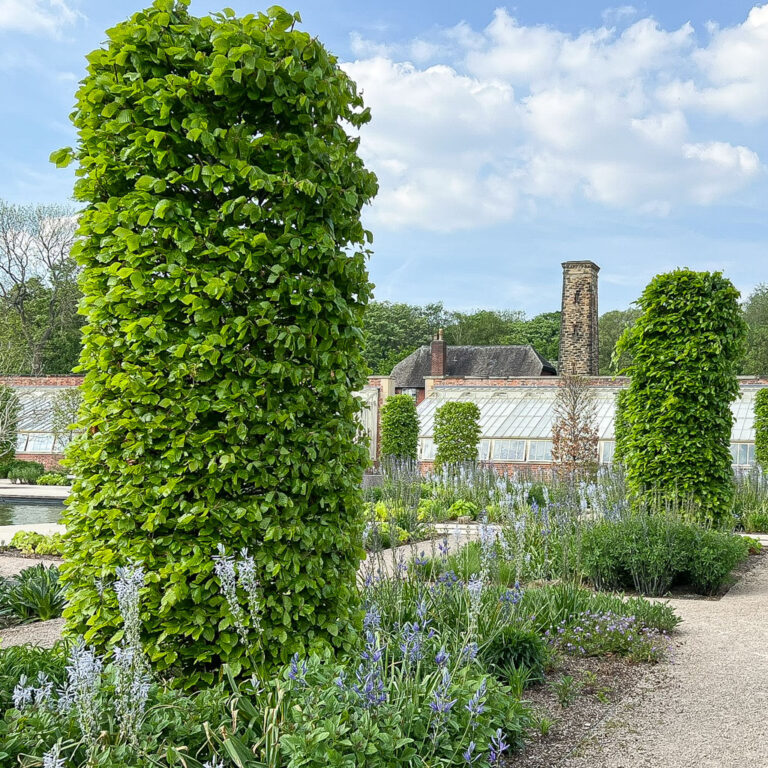
You can make a garden seem bigger by ‘borrowing’ the surrounding landscape – many designers for centuries to great effect. Here are some ideas of how to do this:
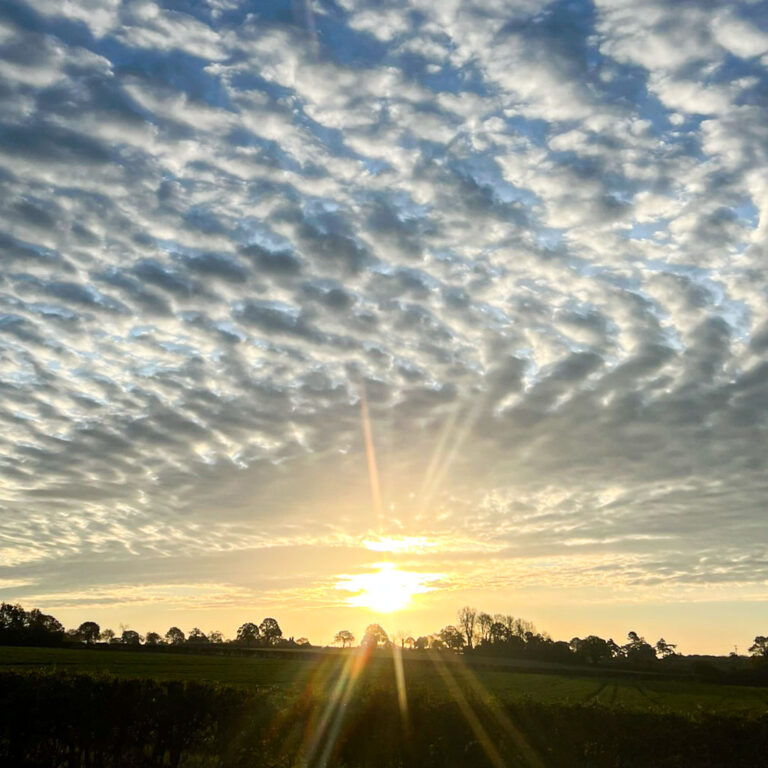
A nicely nerdy post! A lovely sky we had recently, known as a mackerel or buttermilk sky due to the resemblance to the mackerels distinctive patterning or curdled milk.
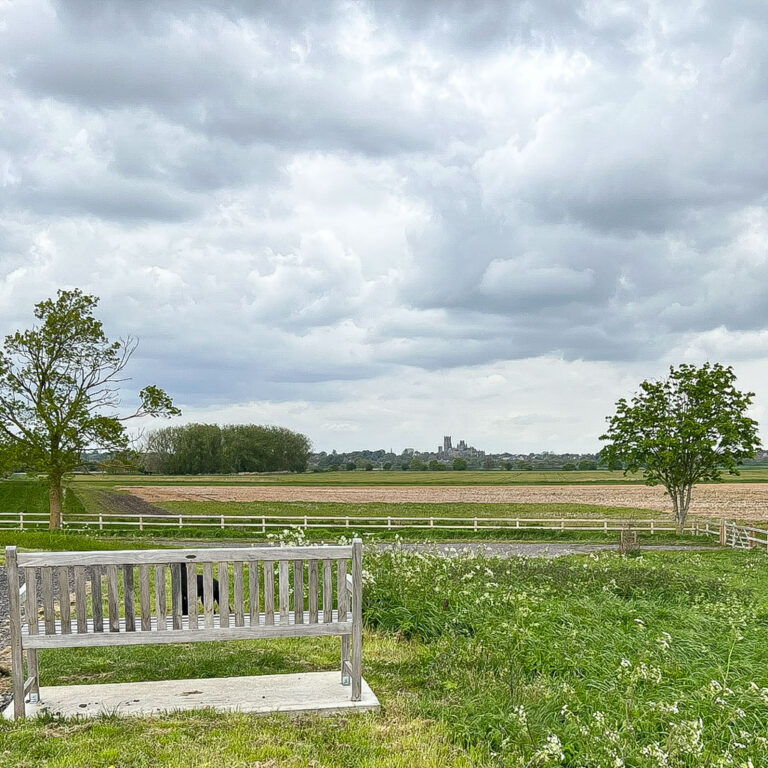
I recently visited Ben’s Yard just outside Ely – a diversification enterprise that the Stuntney Estate opened in 2023. The aim of the project was to provide a high quality retail and hospitality destination in the countryside to draw people to small local businesses and provide easily accessible walks through the estate to stretch legs and reconnect with nature.
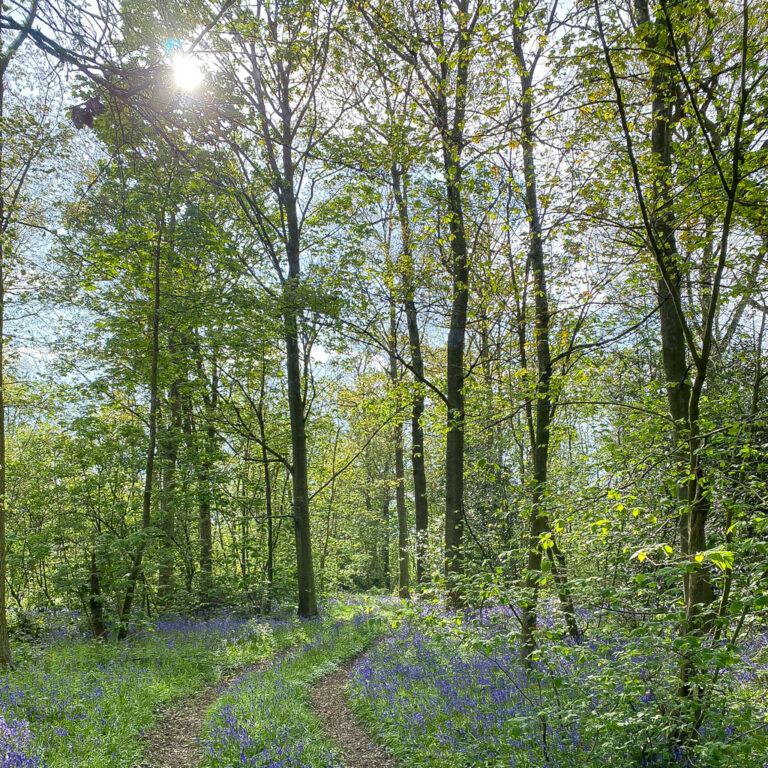
Before it’s too late, head off to your local public access bluebell woods – there’s nothing quite like them. Blue is an unusual colour in the flower world and to see these en masse is just stunning.
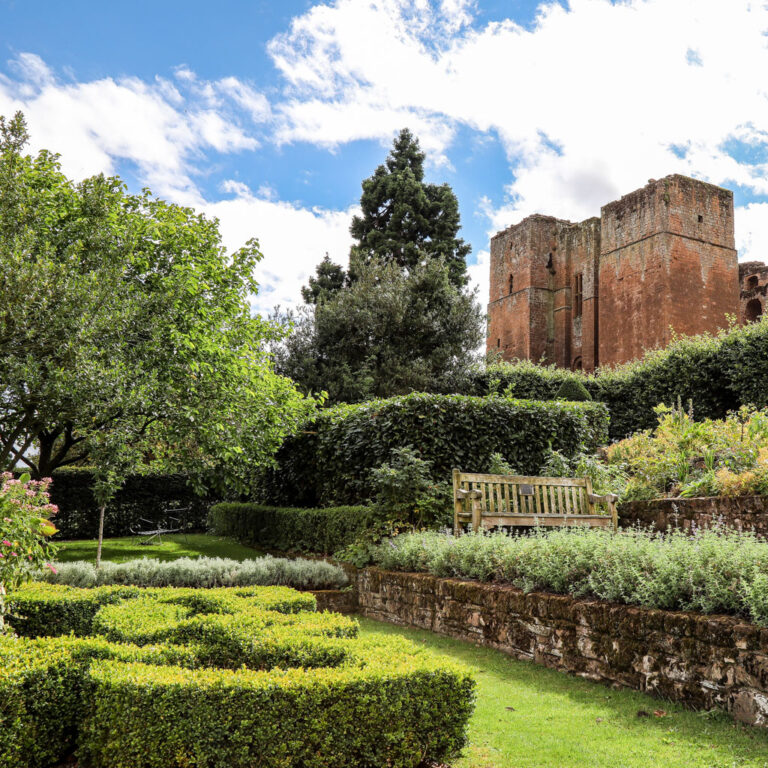
This is a recreation of the Elizabethan garden, originally built by Robert Dudley, 1st Earl of Leicester, to impress Queen Elizabeth I when she visited Kenilworth Castle (now English Heritage) in 1575.
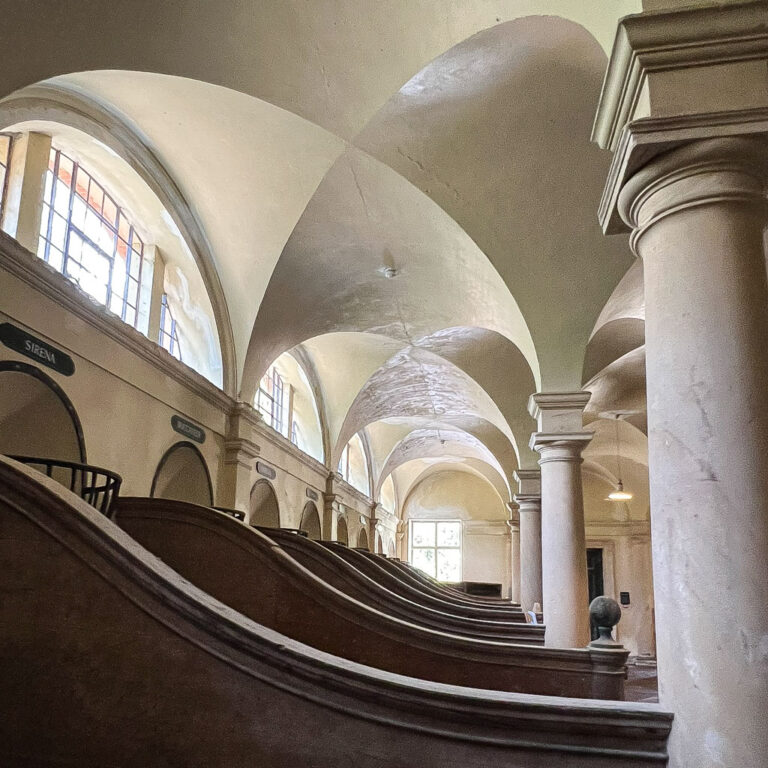
I love the shapes in these stables at Kedleston Hall. The way that the roof domes bounce the sunlight through the building is magical. The tall ceilings make it airy and cool and the large, high windows make it beautifully light.

Kedleston Hall (National Trust, Derbyshire) has a very impressive ha-ha – I estimate about 3km long. It was part of the garden design by Robert Adam c.1759, and still stands, looking incredibly good for its age. Obviously very well cared for over the years.
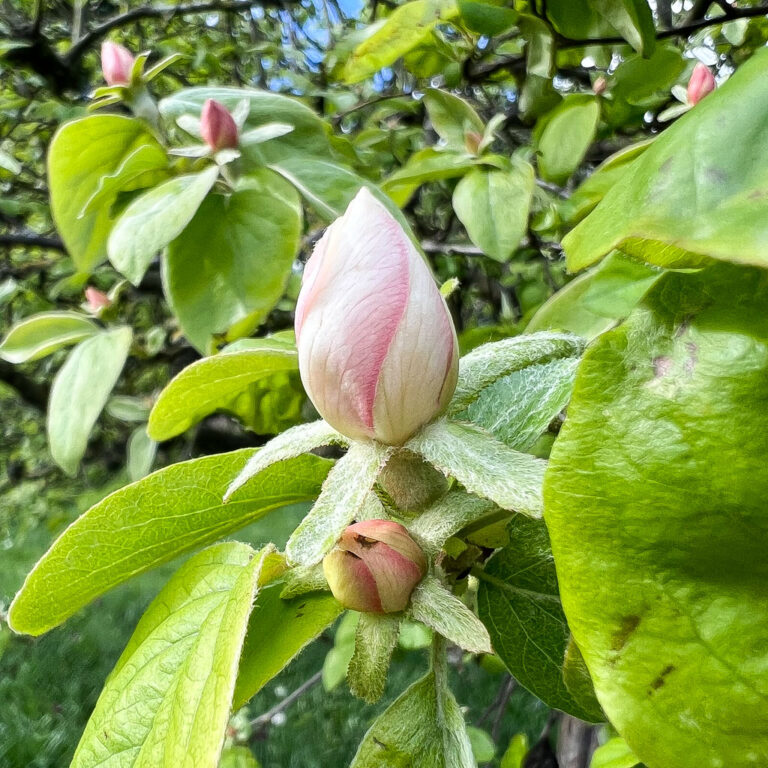
The flowers of our quince tree look like tiny strawberry and vanilla icecreams! Sadly they don’t stay like this for long but happily their fruit have an amazing scent
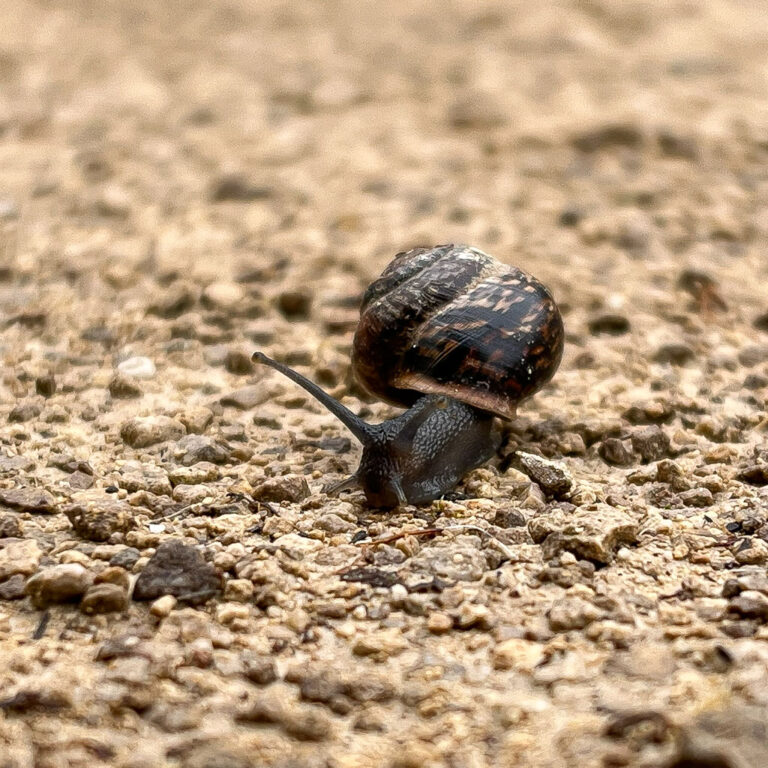
Despite the speeds involved, it’s remarkably difficult to photograph a travelling snail!
These chaps are not high on the gardeners list of welcome visitors but they do play an important role in our ecosystem
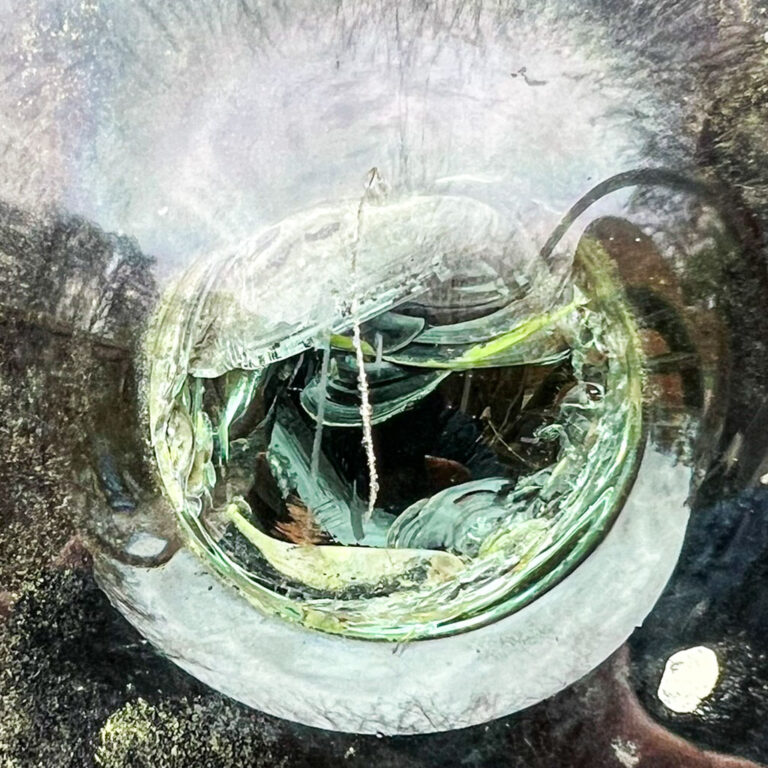
I’m always drawn to glass and reflections, particularly old glass that warps the reflection or view on the other side. In this case it’s the thick blob of glass created by the manufacturing process

The weathered curves, knobbles and cracks of this rustic fence just make me want to run my hand over them
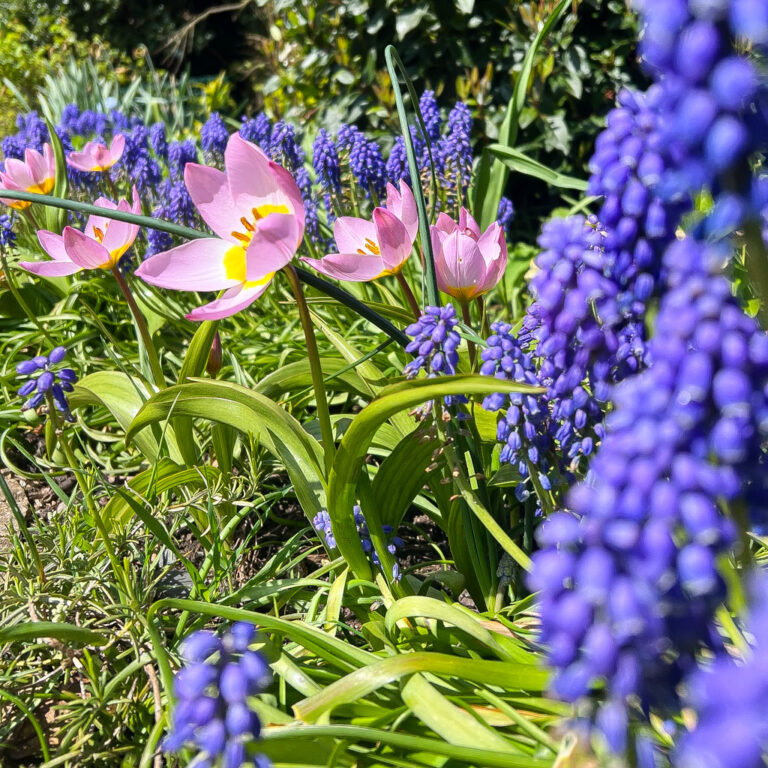
Here’s a lovely planting combination for spring – not my design! I’m always looking for simple and striking planting combinations and this one’s a winner: mini tulips (probably T. Bakeri Lilac Wonder) with grape hyacinth

Popped into Birmingham a few weeks ago and passed the library there – looks like a wedding cake. Far too beautiful to eat though. I love the subtle colours and the patterns that the layers of metal circles make.
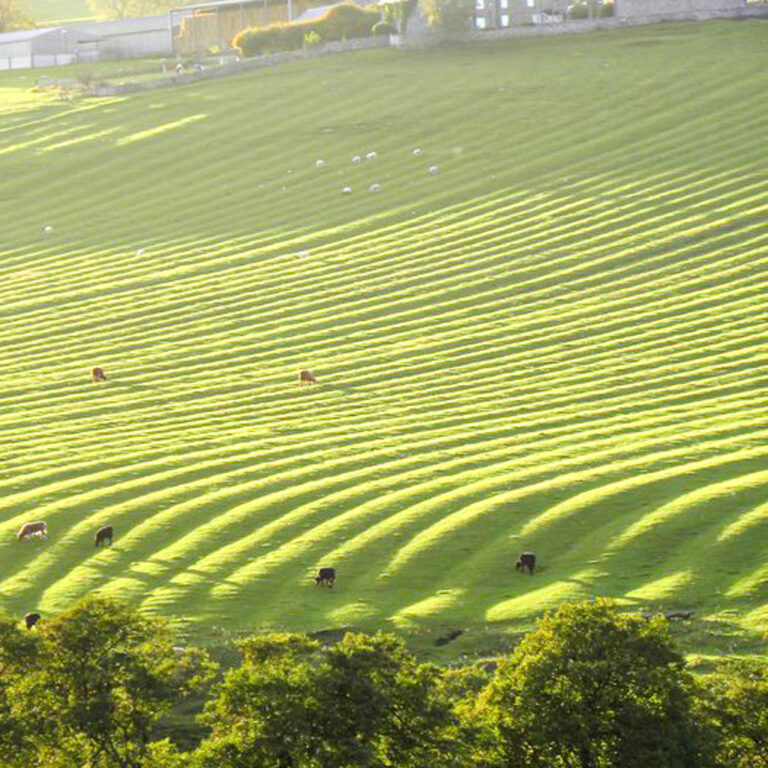
These stripy fields fascinate me and show up best in low, late afternoon sunlight. They’re ridge-and-furrow field systems formed by medieval ploughing methods. The plough (back then only a single blade) would be pulled by oxen and turn the soil over onto itself in one direction creating a long hump – the ridge.

I visited Chatsworth a few weeks ago to hear a talk about their forestry and landscape operations, plans and future strategies – a very interesting talk and a good excuse for a day out in the Peak District!
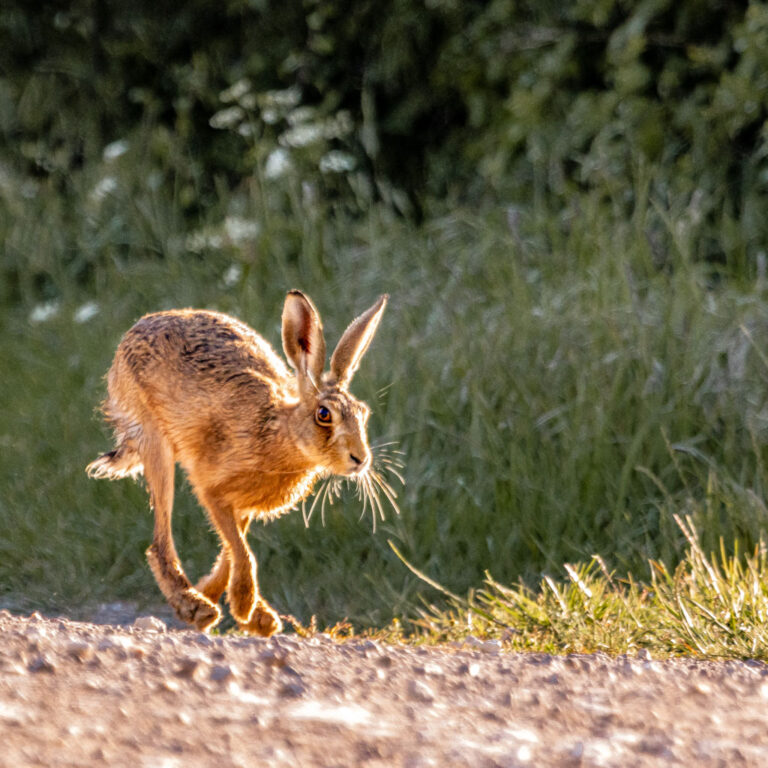
I always assumed that boxing hares were two males fighting for territory or females, but it’s more likely to be a female fighting off a male and this is where the term ‘mad as a March hare’ – for their propensity to box. March is midway through their mating season and the most likely time of year to see them out and about.

Another photo from the National Memorial Arboretum – this is part of the ‘Every Which Way’ sculpture by Maurice Blik, to remember the millions of British children evacuated from cities and separated from their families during WWII
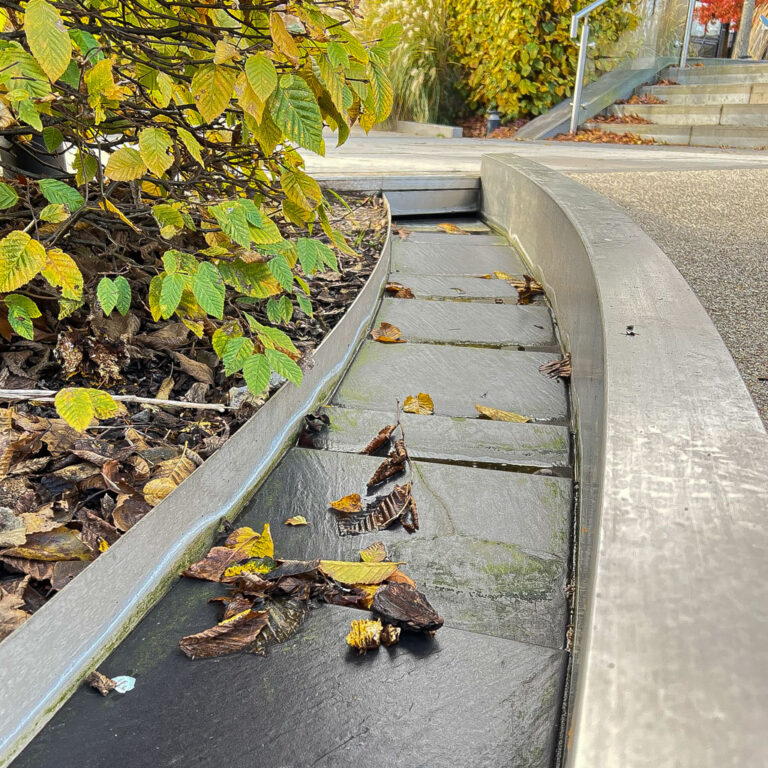
This is a great design feature that plays with the surface water drainage turning it into a feature to be enjoyed rather than hiding it away underground to qquickly secret it away out of sight.
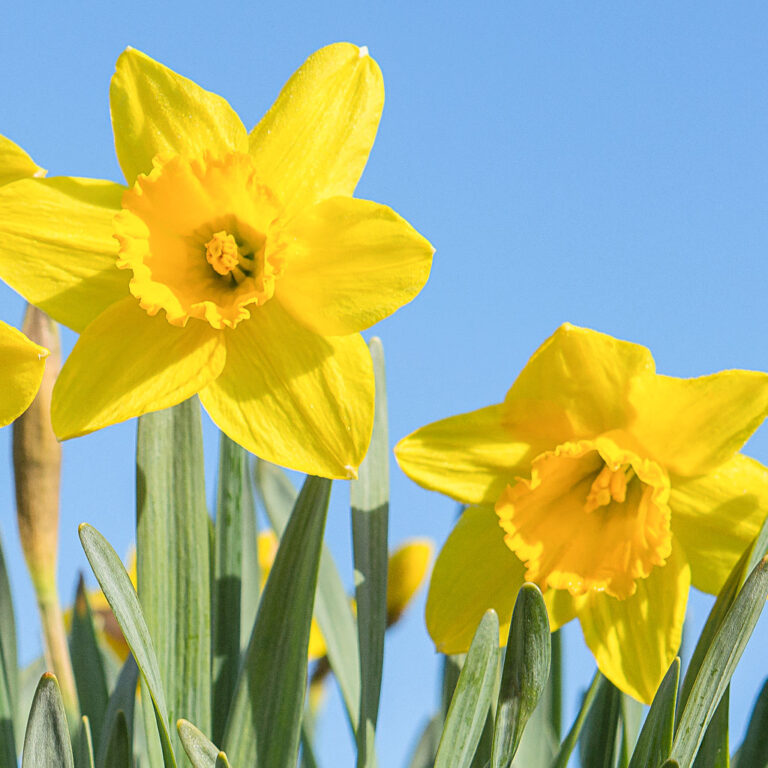
Happy Saint David’s Day. The daffodil was chosen as the floral emblem of Wales by Lloyd George as it’s reliably in flower on Saint David’s Day, and commonly found across the country. Bunches of daffs are traditionally thought to bring good luck and abundance.
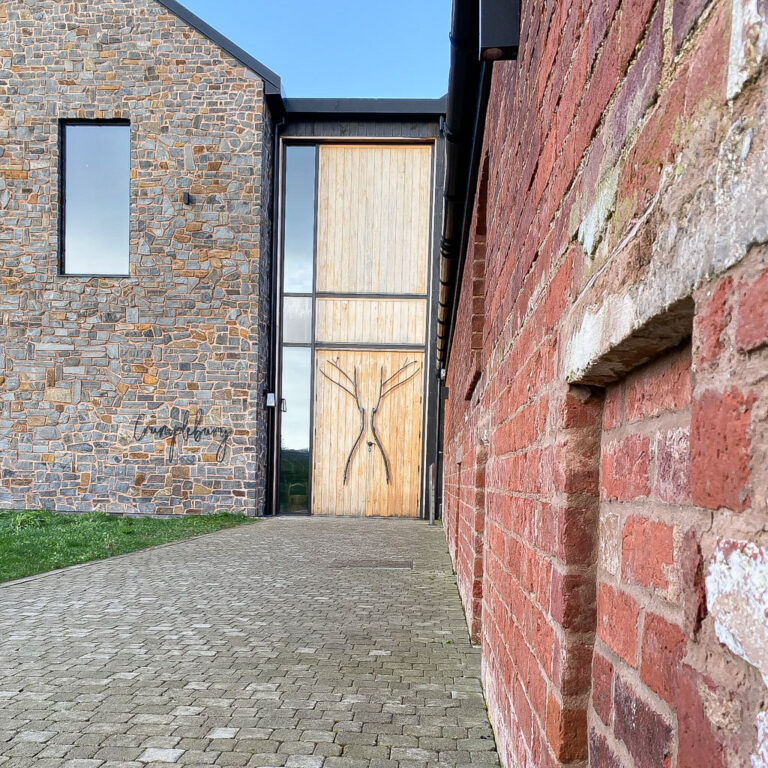
When thinking about what to do with an old building on the farm or estate, starting from scratch may seem easier and more efficient, but carefully looking at what you have and evolving this to its new purpose will create a venue that is new, relevant and interesting with a distinctive aesthetic and appeal to clients.
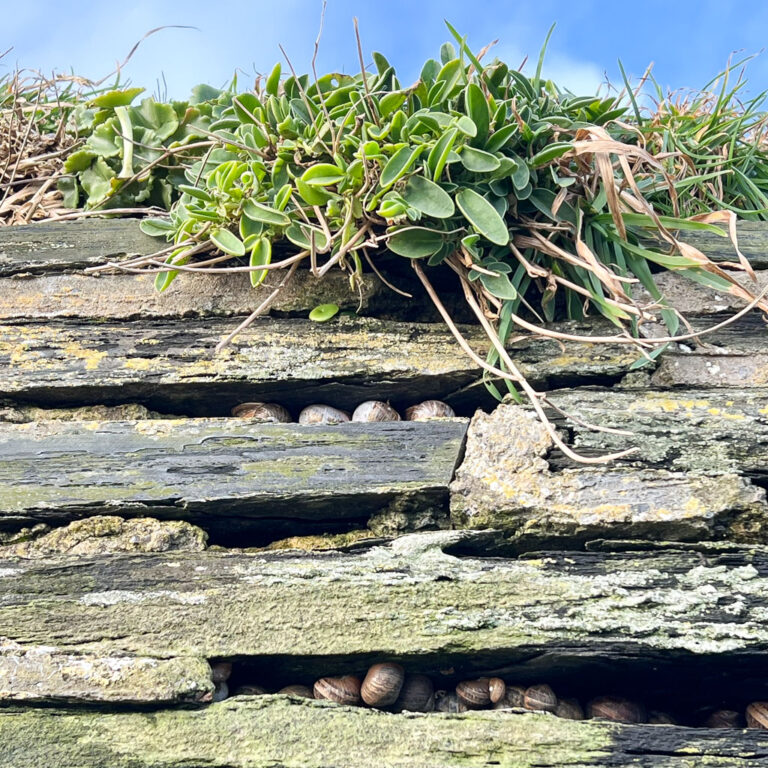
This slate wall along the coast path at Abereiddy in Pembrokeshire provides many sheltering crevices for plant seeds to take root and snails to overwinter. It always amazes me how nature can thrive let alone survive on a coastline that gets battered by the wind, rain and salt.
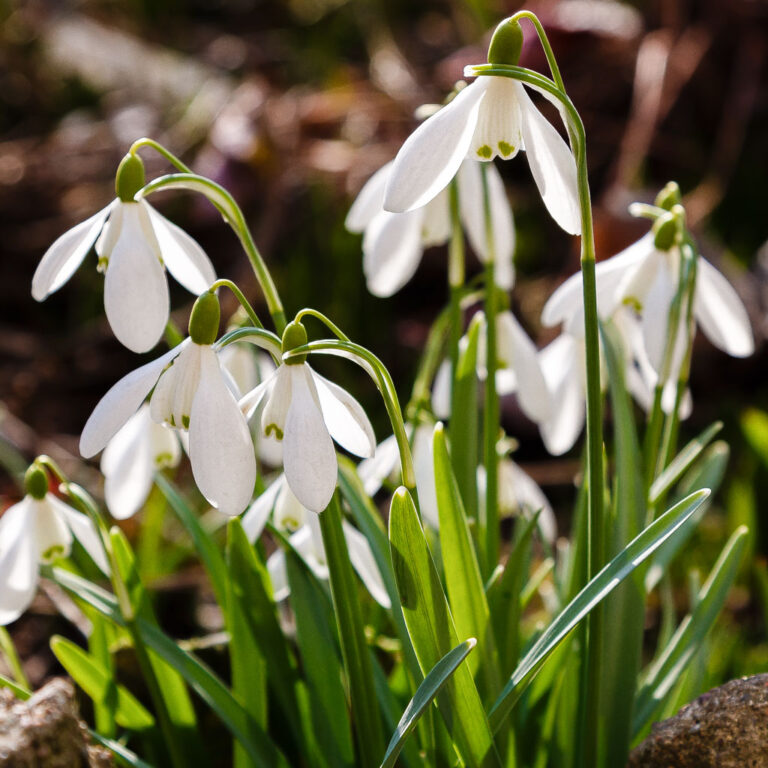
These are probably the classic British flower sign of a new year and the approach of spring and as such they are historically a sign of hope…unless there is only one in which case it’s a sign of death approaching and so it was bad luck to bring them into the house.
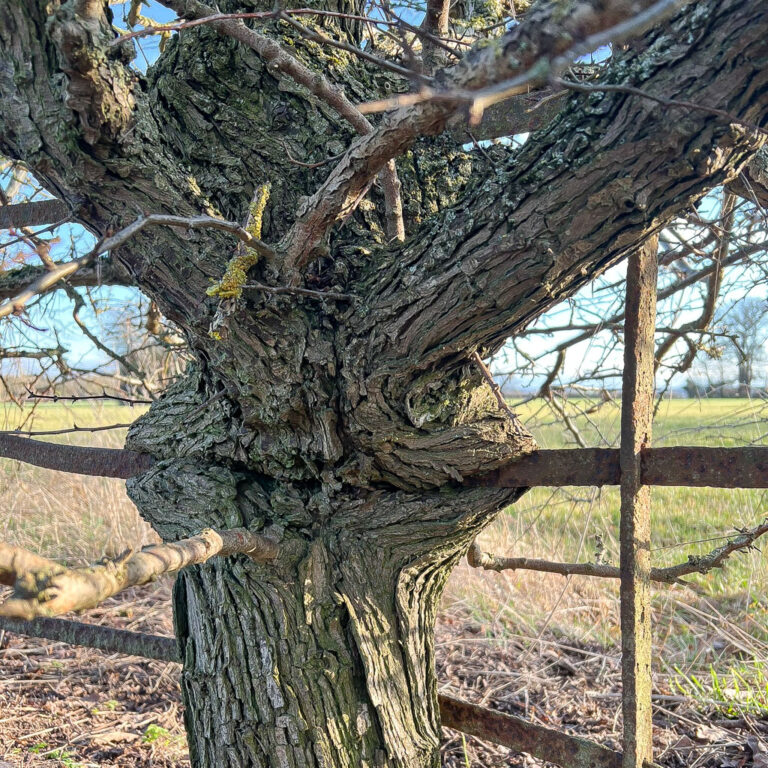

Bradgate Park is the childhood home of Lady Jane Grey – “The Nine-day Queen”. The house is a ruin but there’s enough there to appreciate the decorative brickwork and to imagine it bustling with activity in its hey day

Popped into Lichfield recently and had some time to spare to tootled up to the cathedral for a look around.
It’s a magnificent building at every level. One that gets more and more interesting the closer you get
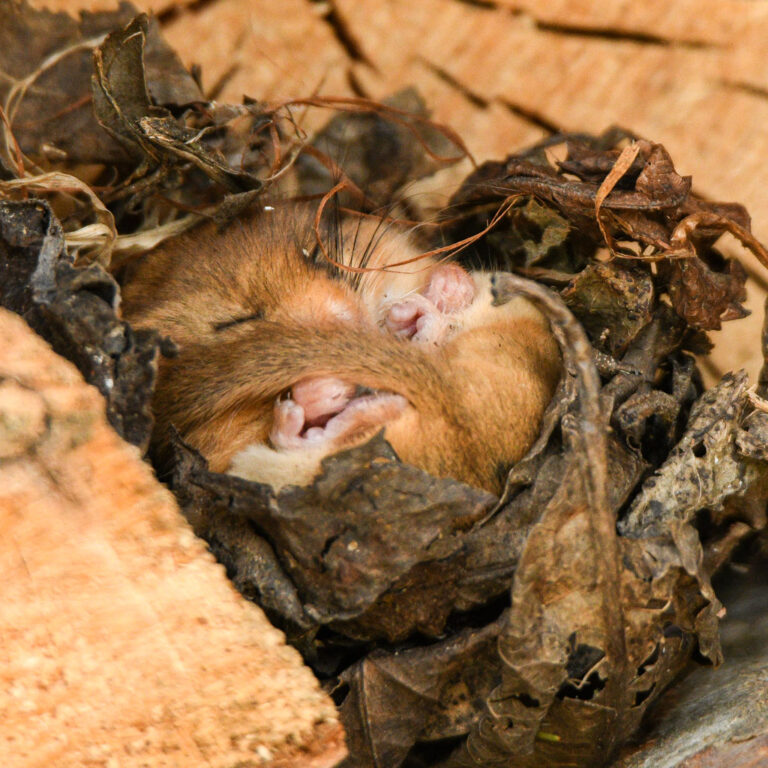
I saw a post recently about some woodland coppicing work actively done to help dormice and I realised that I don’t know a lot about them
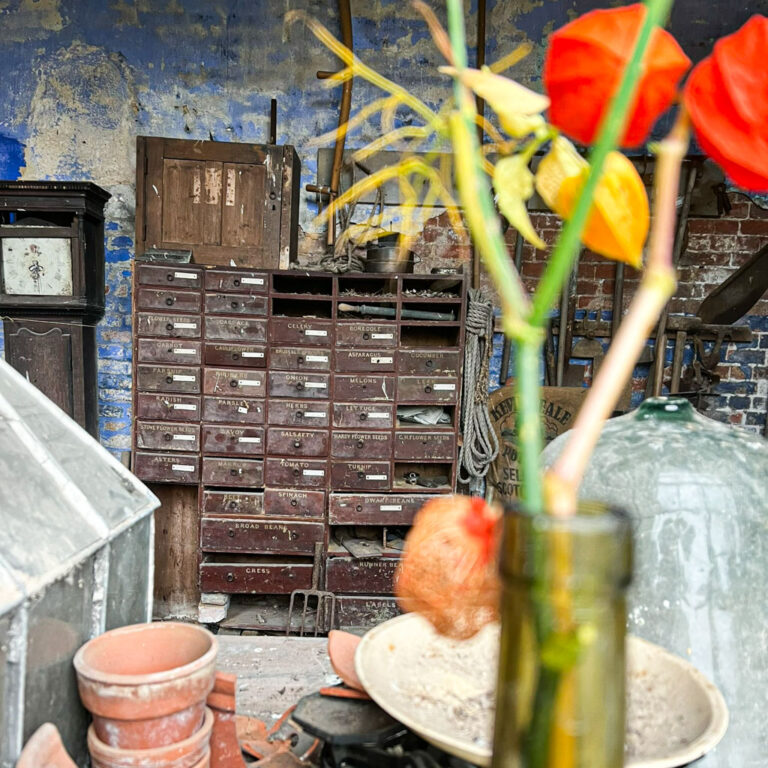
I love the colours, textures, shapes, beauty and utility in this arrangement. The orange of the Chinese lanterns (Physalis alkekengi) pings off the blue of the walls

This is a lovely example of good landscape design. It’s a public space owned by a charitable trust – Hay Castle Trust. Its soft colour palette across the planting and hard materials reflect and compliment
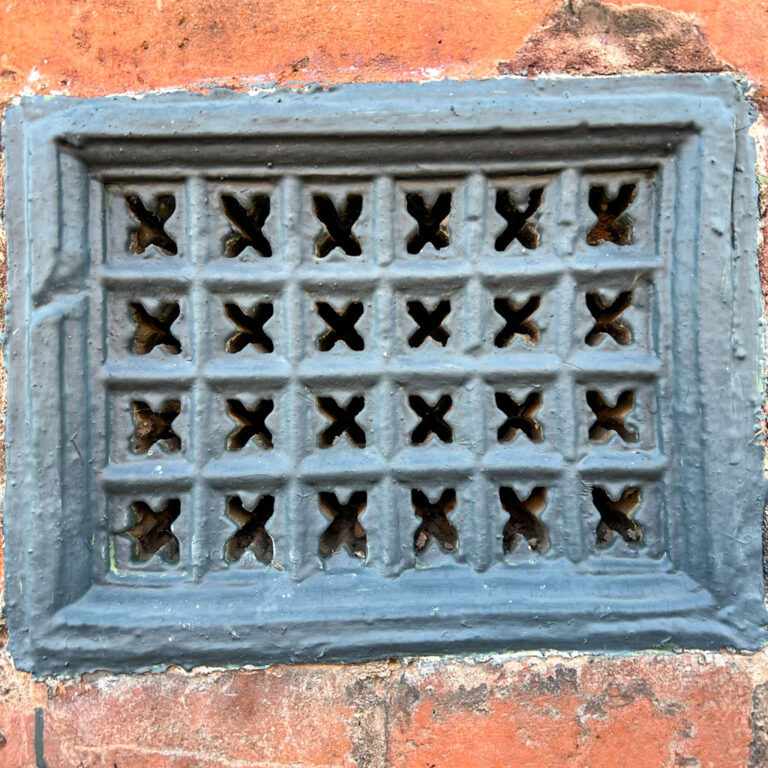
I think crosses won! Noughts must have been asleep.
A lovely Victorian cast iron air vent on a hospital building in Lichfield.
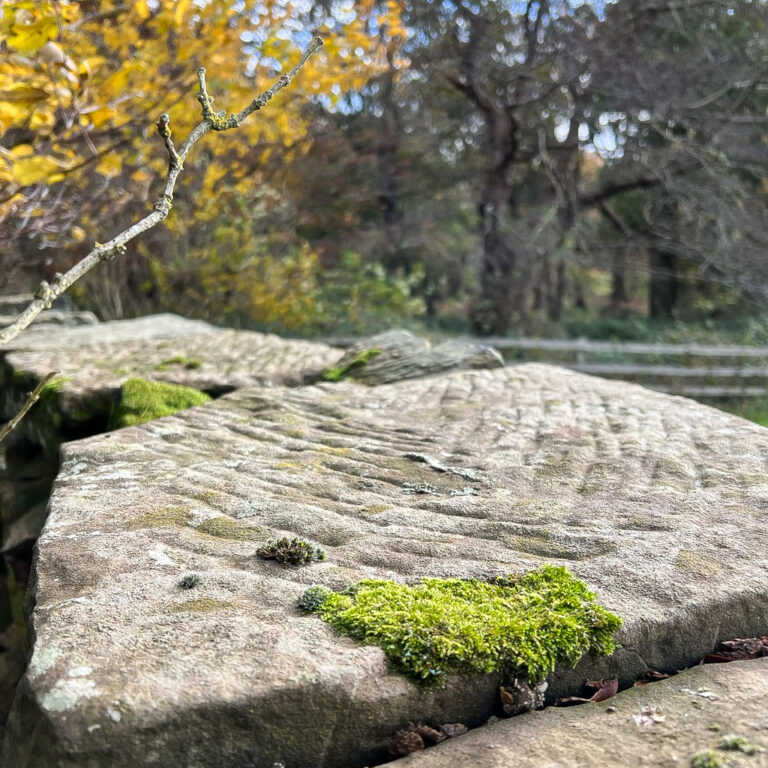
I came across these coping stones on a walk last autumn through a woods on an old estate. They sit on a dry stone wall and I was taken by the pattern of the stone cutter on the surface – these stones would have been seen by more cattle than people but the work that went into them wouldn’t suggest this.
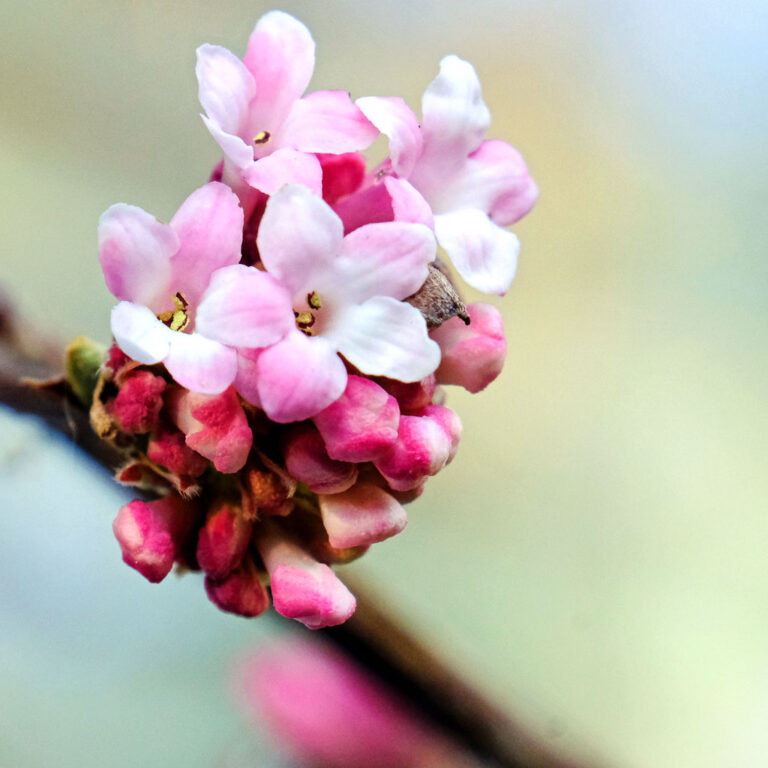
Happy New Year! We’ve dodged the flooding disasters that a lot of the country has experienced recently. But the garden is looking a little dull and weather beaten at the moment. Snowflakes are starting to emerge

St. David’s Cathedral in Pembrokeshire, this summer. I love the architecture of cathedrals and churches, their calm space and stately, solid presence in the landscape connecting us to the hundreds of years of community past.
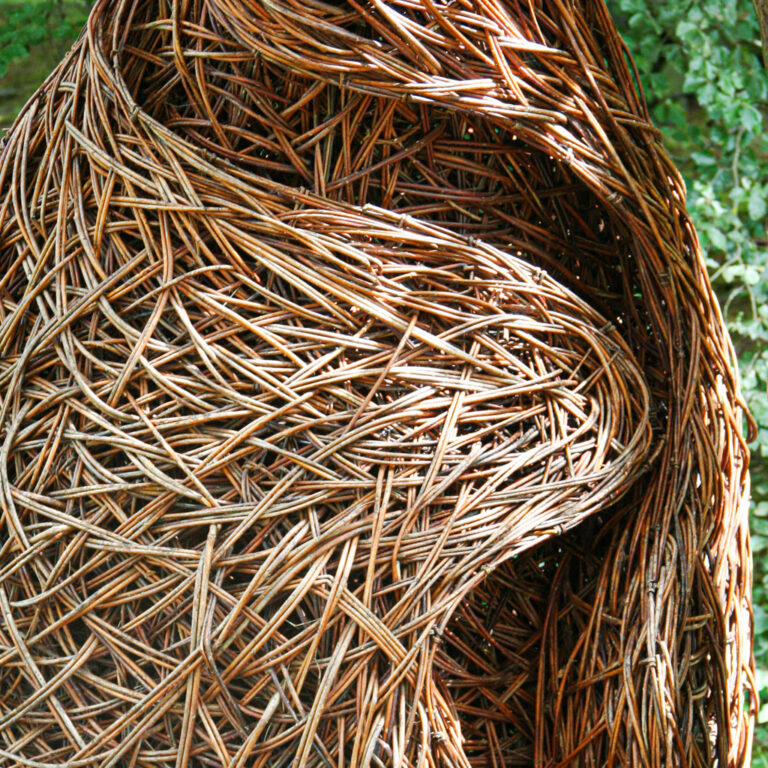
I love a well woven and designed willow sculpture. They’re so sinuous, tactile and evocative. There are some incredibly talented sculptors around creating a myriad of different structures and styles. This one was elegantly draped over a small tree in Chatsworth a few years ago
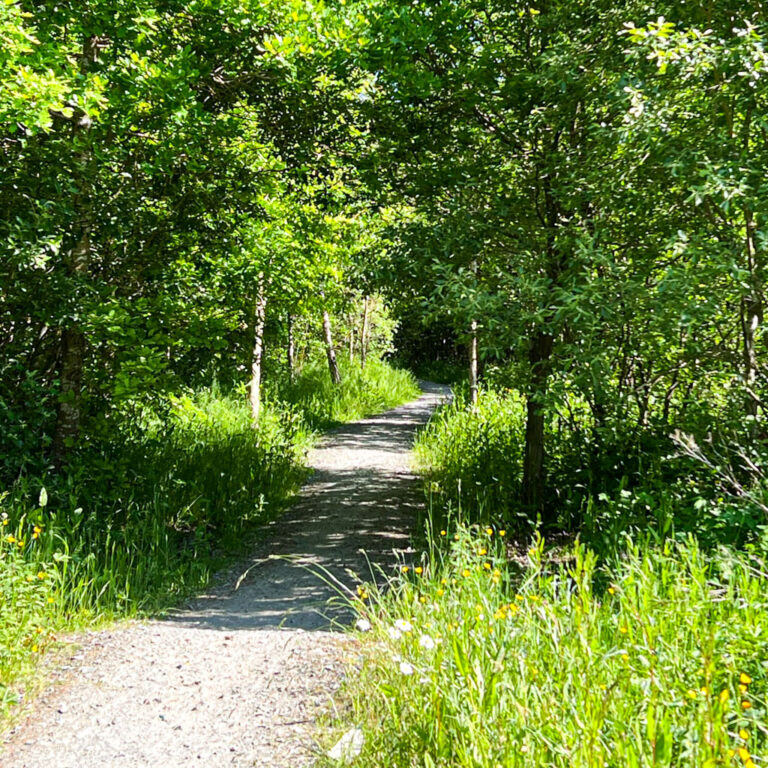
This is Hick’s Lodge in Leicestershire, near Ashby-de-la-Zouch. It’s set in the National Forest and run as a cycle centre by Forestry England, providing a café, educational resources, a small cycle shop for repairs, sales and hire, encourages horse riding, and is a bit of a confluence of various local and regional footpaths.

My favourite way to see a fern – backlit in low light. It really lights them up well and brings them to life. Their fronds are almost translucent this way and show the shadows of the fronds behind them.
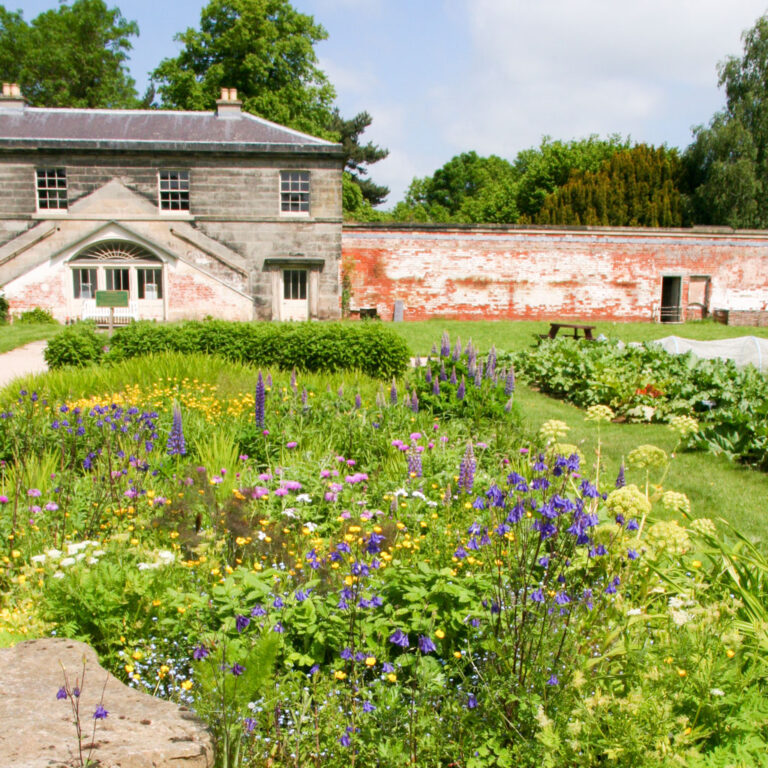
Believe it or not, this is the Head Gardener’s house in the kitchen garden at Shugborough (National Trust) in Staffordshire. It’s rather grand and that is because a head gardener was a hugely important person to the family and estate.

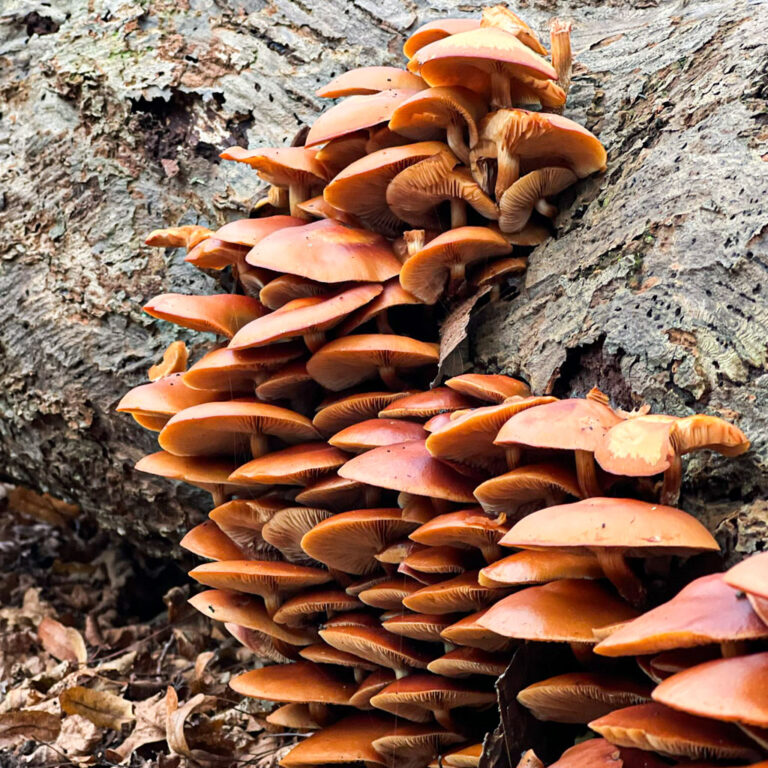
Aren’t these a lovely colour – they caught my eye in the drab woodlands at Calke Abbey last week. They are Velvet Shank fungus. They look like they are blocks of flats for the busy insects of the detritus world.
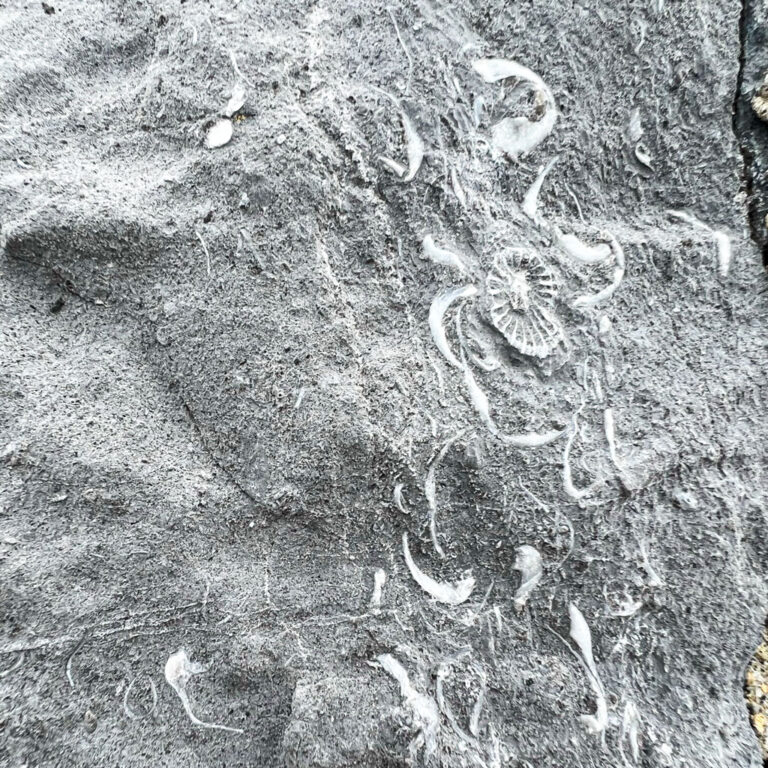
I may have mentioned before that I hail from Pembrokeshire! Once or twice. In passing. Pembrokeshire is one of the best places in the UK for geology lovers.
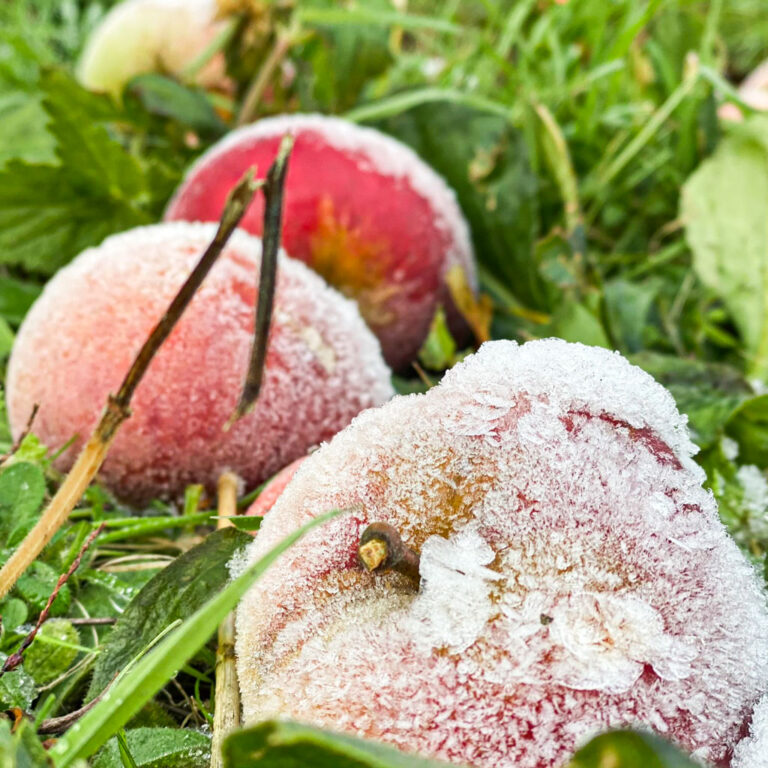
It’s decidedly colder outside these days – not very warm indoors either, I’ve got my thermals, fingerless gloves, scarf and hat on for work!
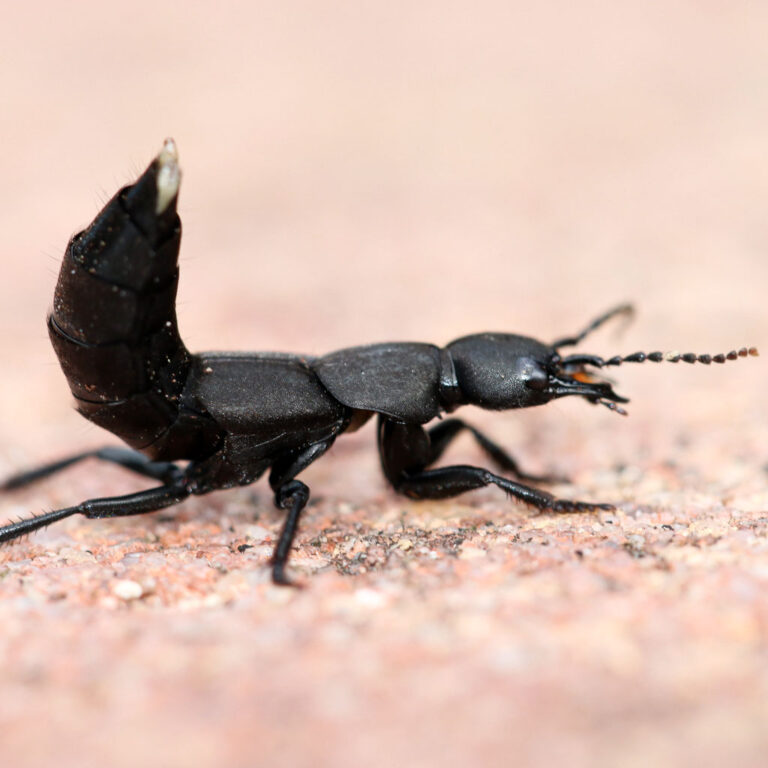
I’ve met a few of these feisty chaps recently – Devil’s Coach Horse Beetle. At this time of year they’re busy mating and laying their eggs in damp areas under rotting leaves or moss – so don’t be too tidy in your garden, leave some nesting sites for them. They eat slugs – ’nuff said!

This leafy tunnel funnels you towards the hidden bench that’s calling you to sit a while to think, chat, take in the sounds, smells, atmosphere. Green is known to be a calming colour and dominates the subtle colour palette of this design

I think this is a sycamore tree – I was far more interested in these patterns on the trunk to notice its leaves!

Head to the market town of Ashbourne, Derbyshire; weave your way along the narrow streets lined with Tudor and Georgian buildings along the A515; under the arch for the ‘Green Man and Black’s Head Royal Hotel’; hang a left towards Buxton up the hill; turn left at the ‘George and Dragon’

These are oak galls. They’re quite common and are found on many oak species and come in various different shapes. I’ve found dried, brown ones before but have never seen red ones like these before
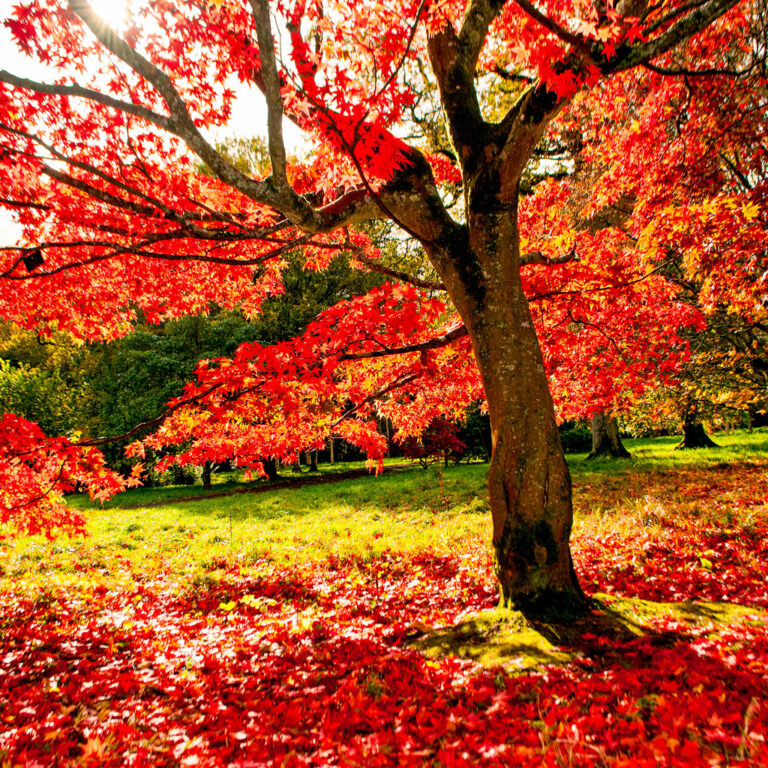
Trees kind of take a back seat through the summer as far as garden design goes – their main real contribution to a garden at this time of year is the shade that they bring. But some of them hurl themselves centre stage in autumn with a massive hit of colour – ‘Ta-dah’!

I think cows are my favourite animal. They’re curious, gentle, social, caring, innocent. I used to love sitting in the milking parlour as a kid and stand very still and quietly, then suddenly I’d get a very warm, big puff of cow breath in my ear
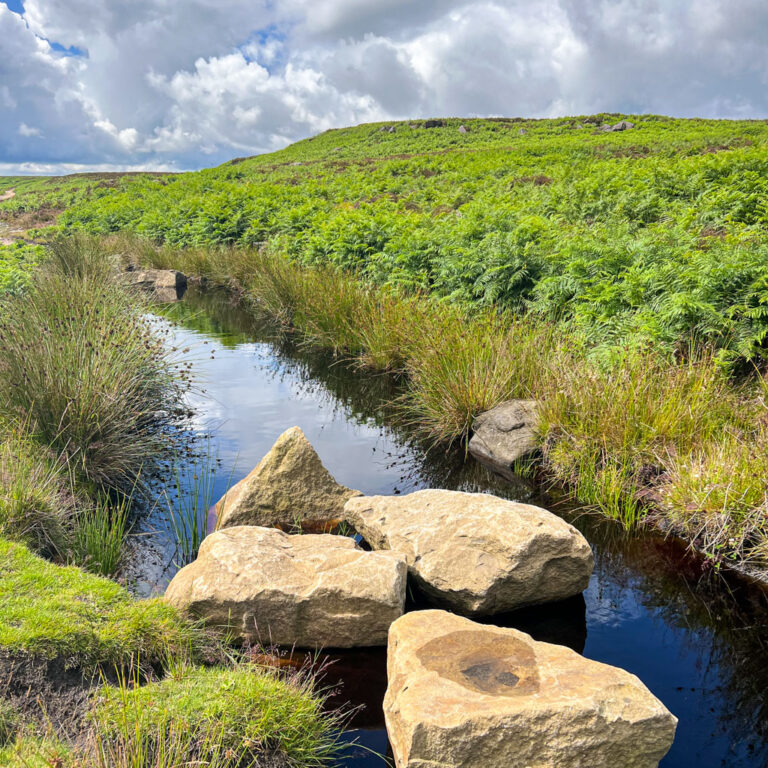
The UK is blessed with a huge variety of landscapes – think about the Lake District, the Cotswolds, the Dorset or Jurassic Coast, the Fenlands in the east, the island region of west coast Scotland, the coal mining valleys of south Wales, the Giants Causeway
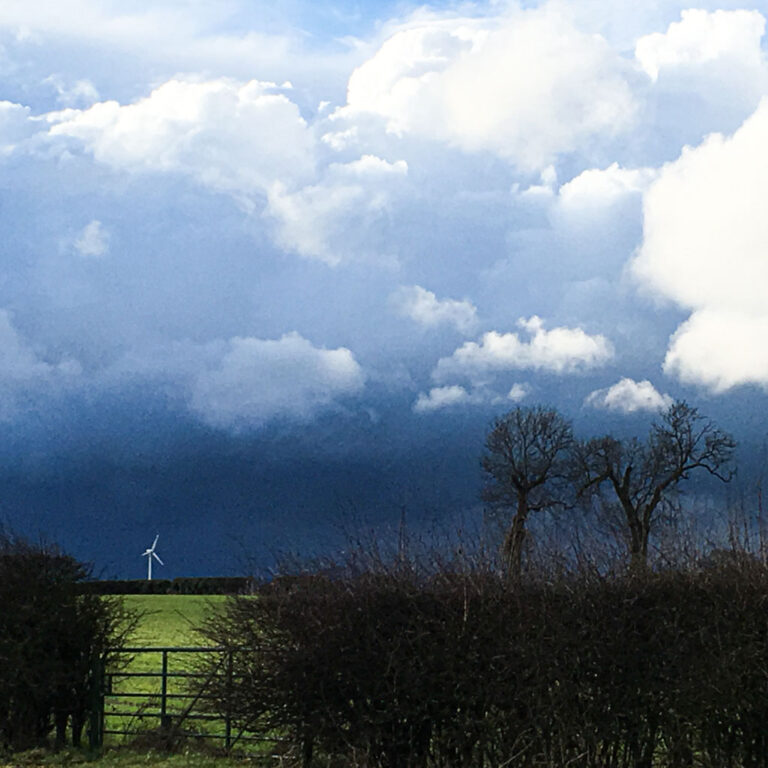
At this time of year we start getting really dark stormy skies and bright shafts of light picking out the contrasting colours. It really does look as atmospheric as this photo shows
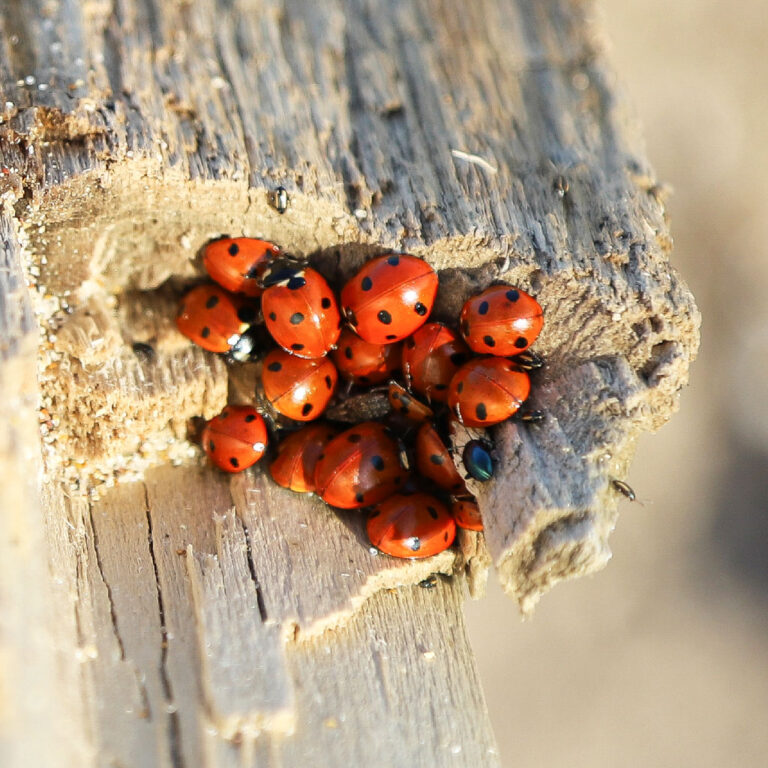
With the lovely weather that we’ve had over the last few days, I’ve seen a couple of ladybird gatherings on warm, sunlit walls. They’re quite clumsy landers – almost comical!
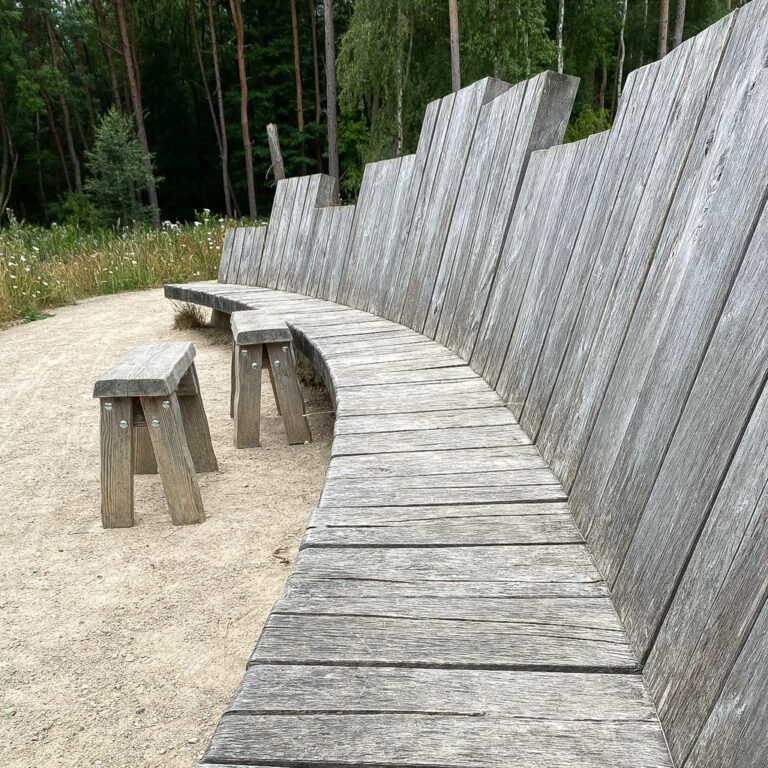
This lovely bench is a thing of beauty on many levels – it’s a piece of art, a focal point, a meeting point, a social spot, a wayfinder, a piece of fun. The timber has weathered to a soft silver which is calming and sits well in its woodland location, and is soft and warm to the touch
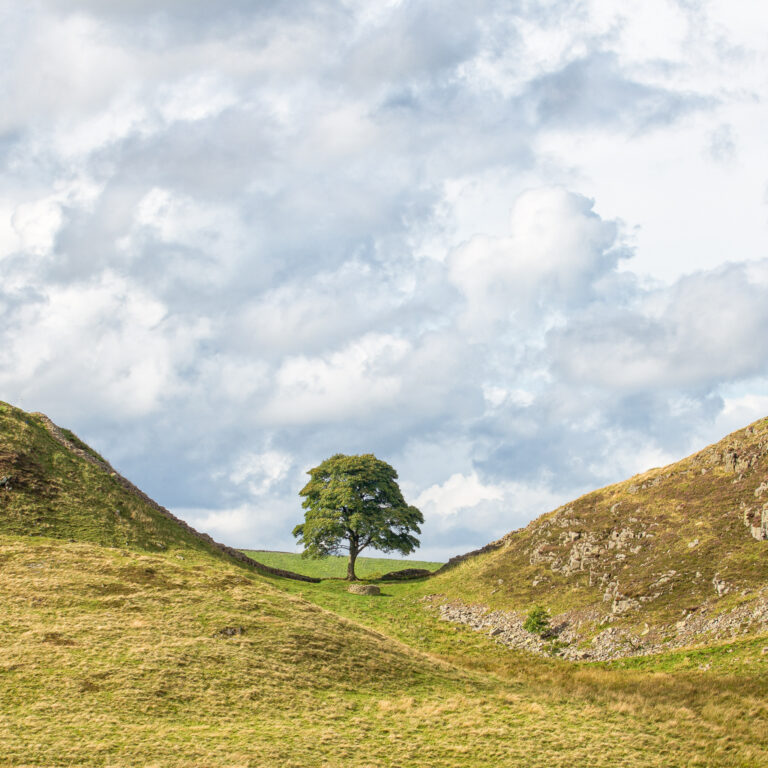
I’ve been thinking about the attachment that we have to certain trees in our lives. They may have a special meaning to us and our families witnessing engagements, family gatherings, celebrations and goodbyes
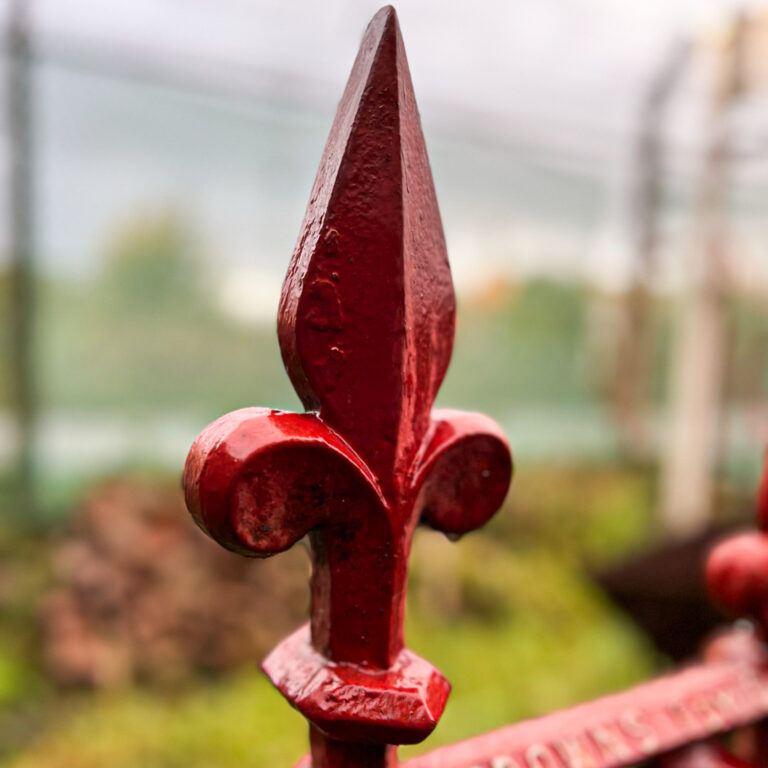
Last week we visited Claymills Victorian Pumping Station, Burton-upon-Trent, to celebrate with them the first firing up of their fourth and last beam engine for the first time in 54 years

As the saying goes…”if a party leaves you with too many lemons, make limoncello!”. Or something like that.
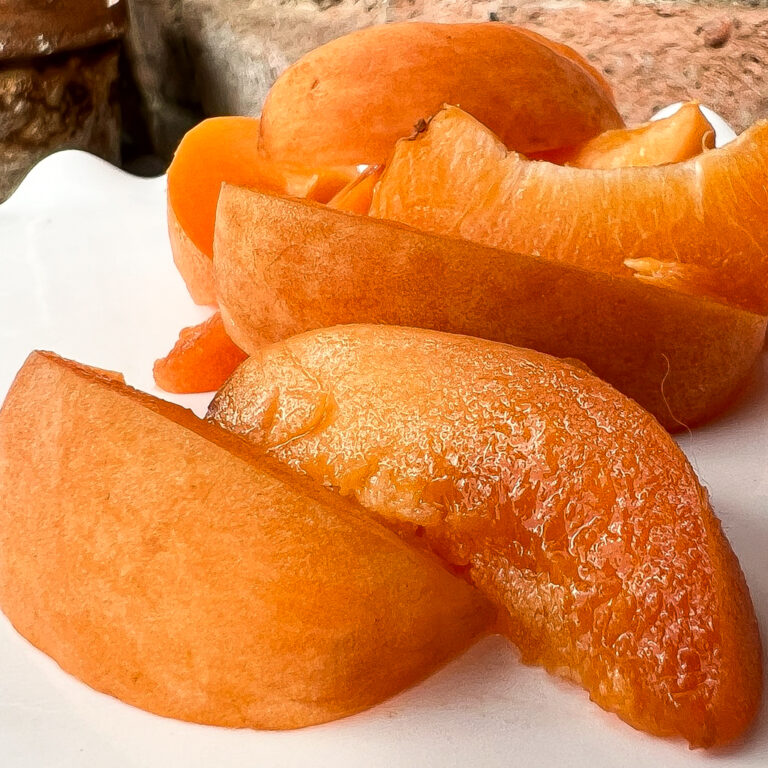
My first homegrown apricot of the year and it was delicious! We haven’t got many on our tree, but they’re about the size of a tennis ball, are very juicy and sweet. I planted the tree in a greenhouse about

Today I’m visiting Powis Castle with the CLA Women’s Network to meet new some people and to hear about the history of the castle and gardens. It’s set to be an interesting day.

An insect’s view of a foxglove. Sadly flowering is over for this year but they were spectacular and will be back next June.
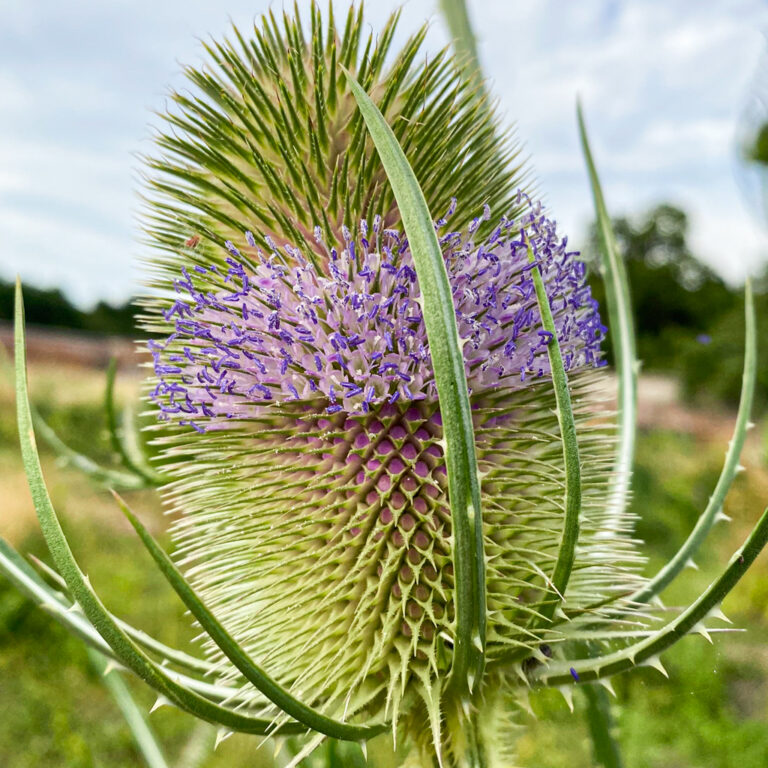
Big news (for me!), my new website is up and running… www.teaselfinch.co.uk. Have a look if you have the time and if you know of anyone else who would be interested
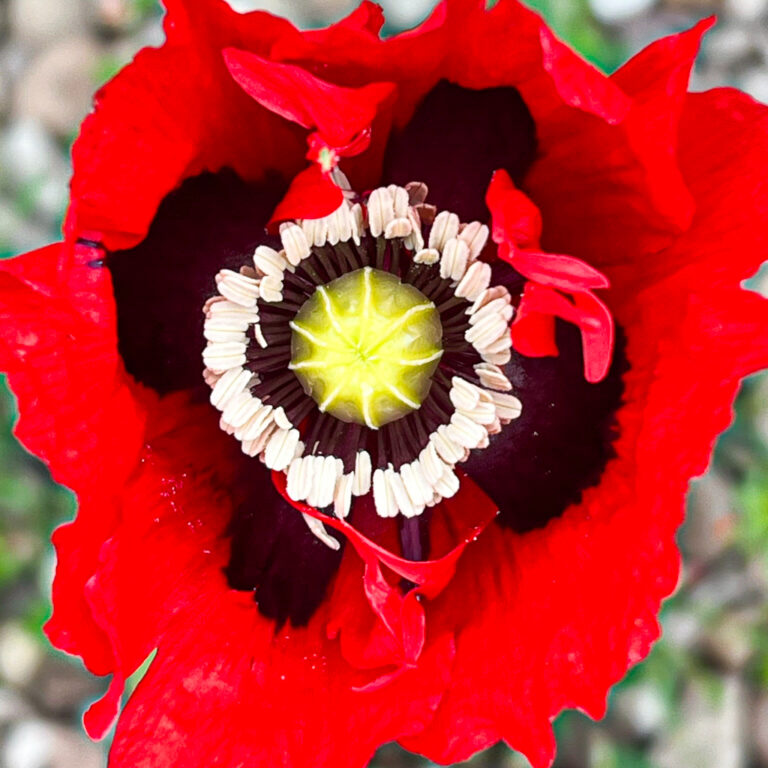
A bright red oriental poppy. Lovely.
Always a place for a poppy or another in a garden – there are several types to choose from (oriental, californian, welsh). The orientals give you the classic big, fat, blue-grey
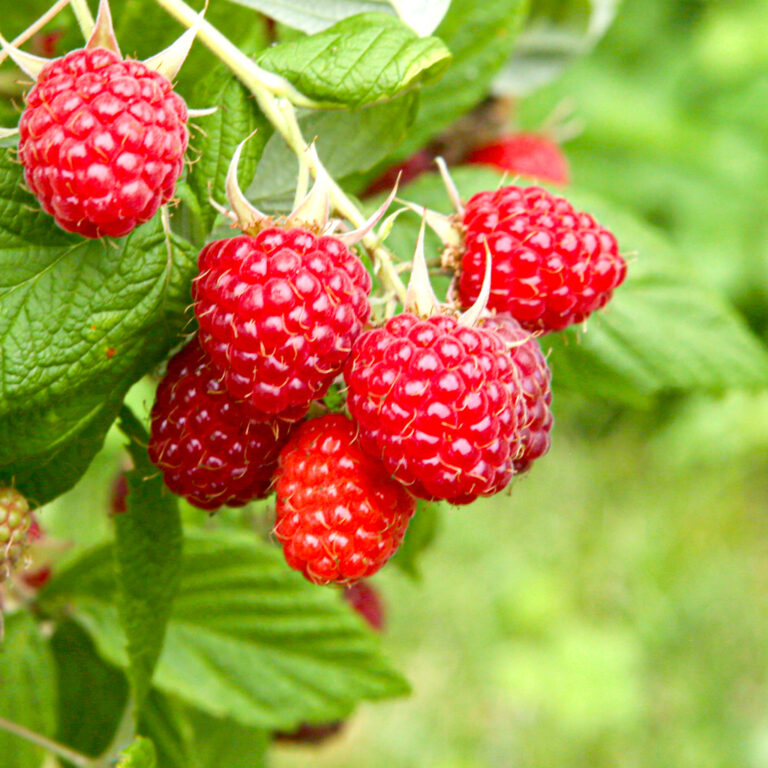
I had a moral dilemma yesterday. The raspberries in our garden are ripening so fast that I can’t keep up with them. So, I had to make a difficult decision – do I… continue to sneak out and gorge on what

Door detail of one of the giant doors into the Sagrada Família in Barcelona. I’ve been here a few times and love it. It was designed by Antoni Gaudí and construction began in March 1882 and it’s not yet
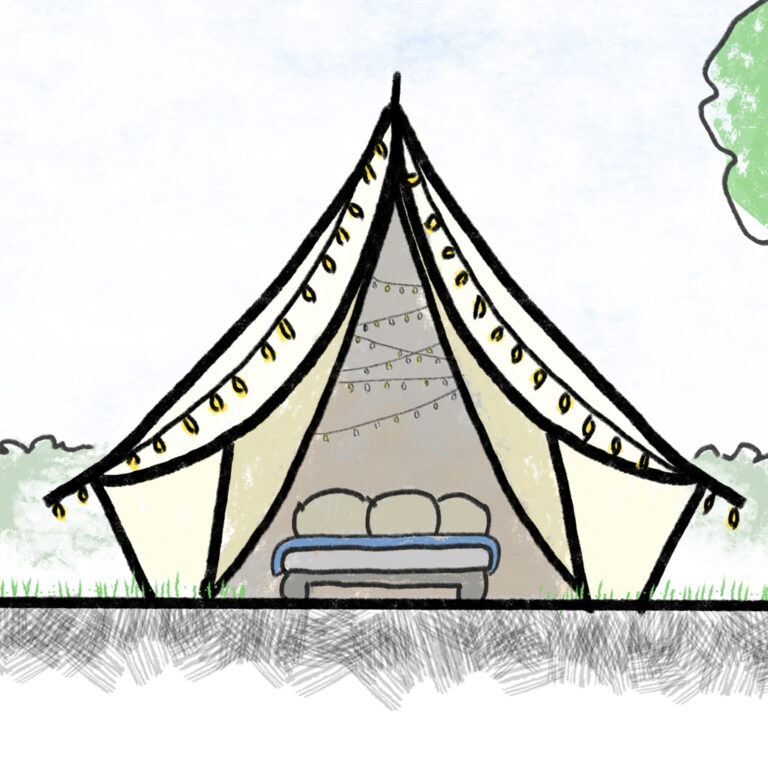
If you’re thinking about creating a glamping site, there are a few things to consider before you even start thinking about what the inside will look like and how you’ll market your venture. Get your business
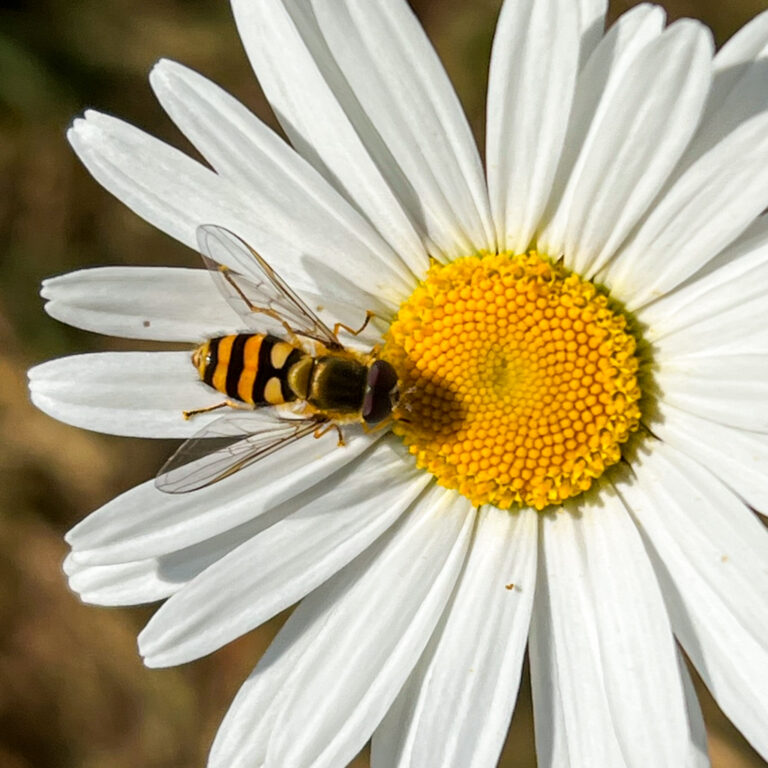
A very dapper looking hoverfly – dressed to match his/her lunch! There are lots of different species of hoverfly (over 300 in the UK) and this one is a member of the Syrphini tribe – I didn’t know there was a category

There are many things to consider when planning an orchard but with careful thought and selection of site, varieties and rootstocks, it’s possible to create a highly productive orchard whether it be for your

Dandelion seedhead close up. If you remember your GCSE biology, you’ll know that when a flower is pollinated a seed is created in the ovary at the bottom of the flower. Dandelions have more than
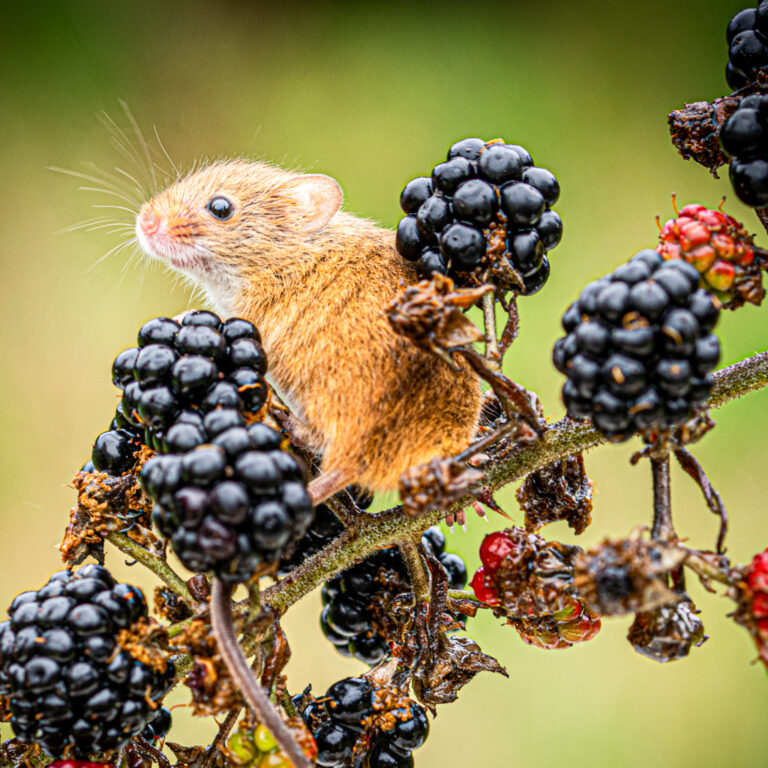
I’m trying to reframe brambles in my head…it’s not easy! I’ve viewed them as a nuisance all my life with only one redeeming feature – blackberries. However tasty their fruit are, brambles are a pain
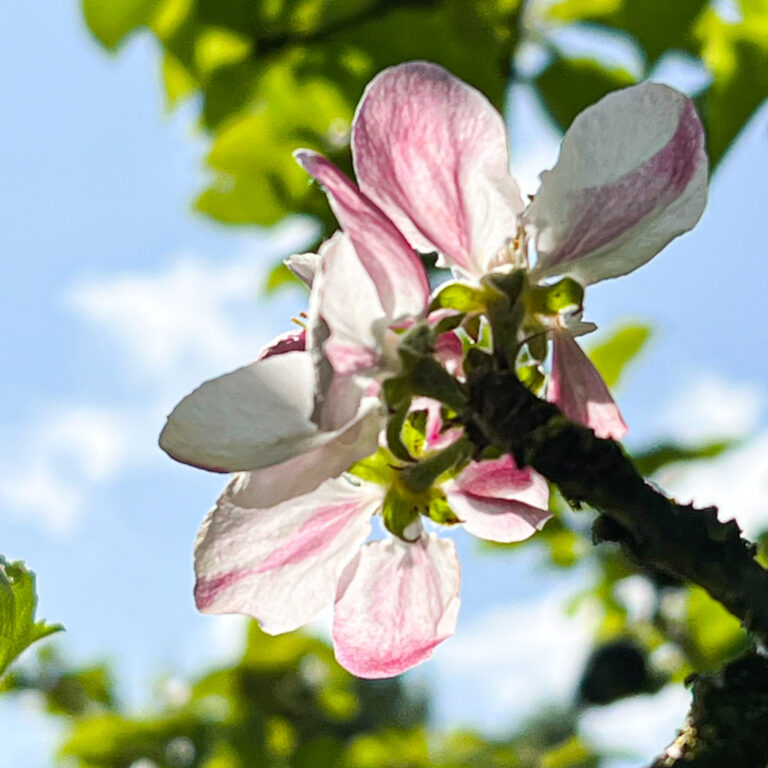
The last of the apple blossom. There has been loads of fruit tree blossom this year, so hopefully loads of fruit later in the in the summer and autumn. Yay!
We grow apples, pears, quince, damsons,

This week is Chelsea Flower Show week. It is the most famous and prestigious garden design show in the world where the best (competitive*) designers hope to get recognition and a coveted gold award.

If you’re after a pristine lawn then dandelions are the number one lawn weed.
If you’re after pollinators in your garden, then dandelions are the number one lawn flower for all types of bees – honeybees,
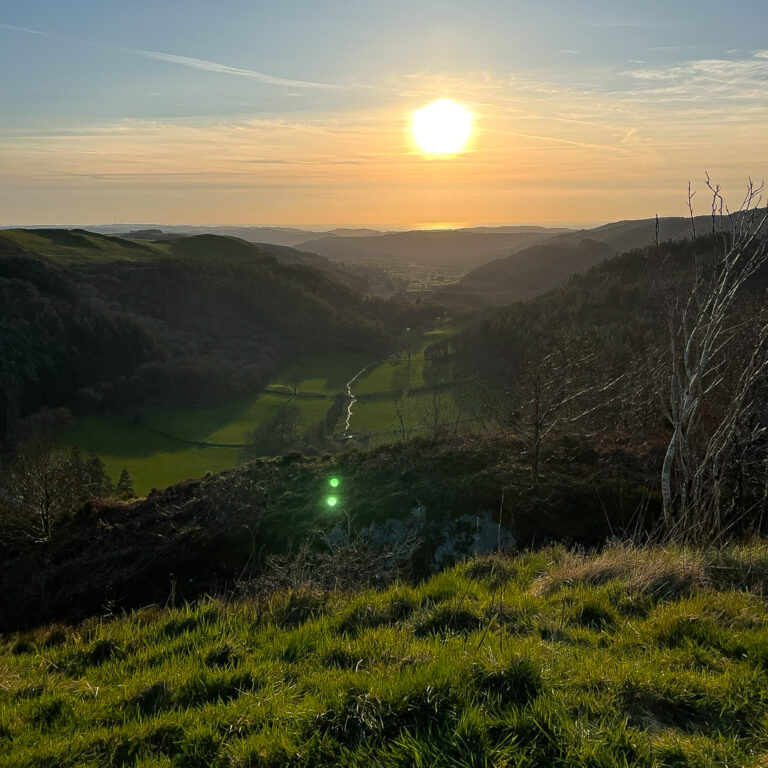
This was taken one evening in April at Nant-yr-Arian Forest visitor centre looking down the valley to Aberystwyth. I love travelling home via this route. Once I’ve passed Shrewsbury and left the
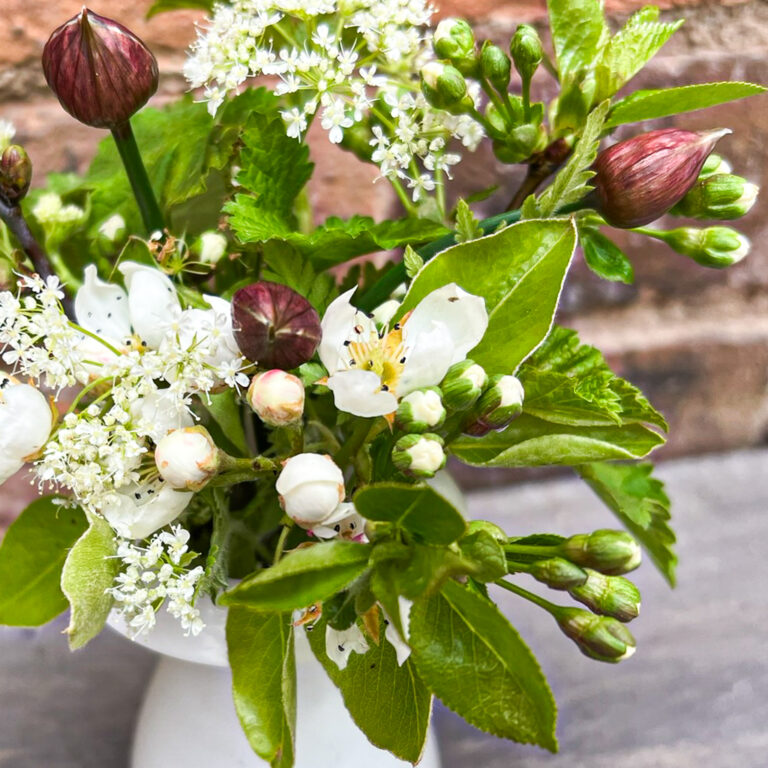
Something a little bit different today…three bunches of flowers for you from my garden. I’m not an expert arranger, I just really enjoy mixing flowers, colours and foliage together. It also showcases what’s in
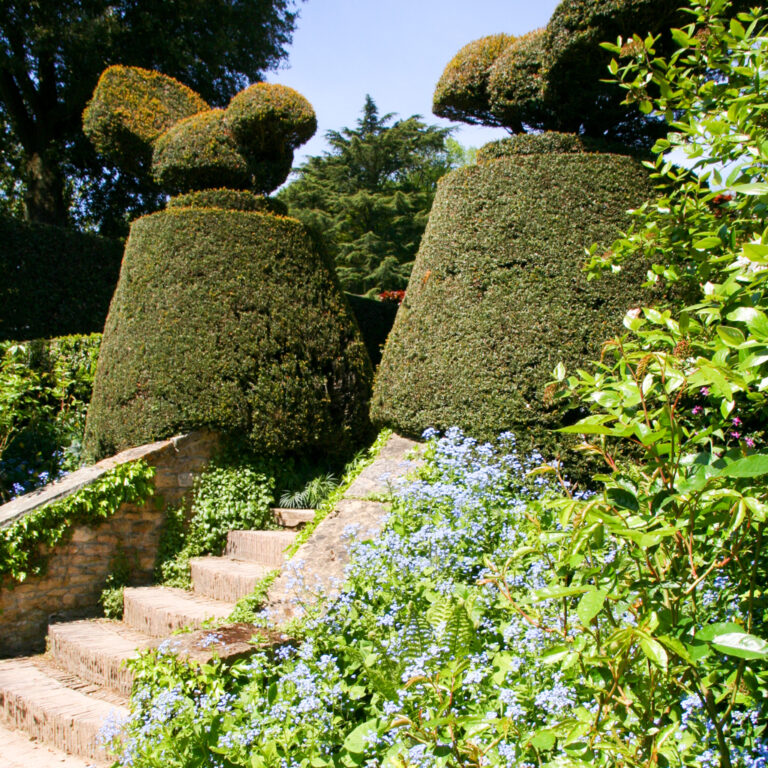
Hidcote in Gloucestershire is an arts and crafts property that is now managed by the National Trust. It’s a fabulous place and is rightly one of the ‘must see’ gardens for any designer. It was laid out by Major
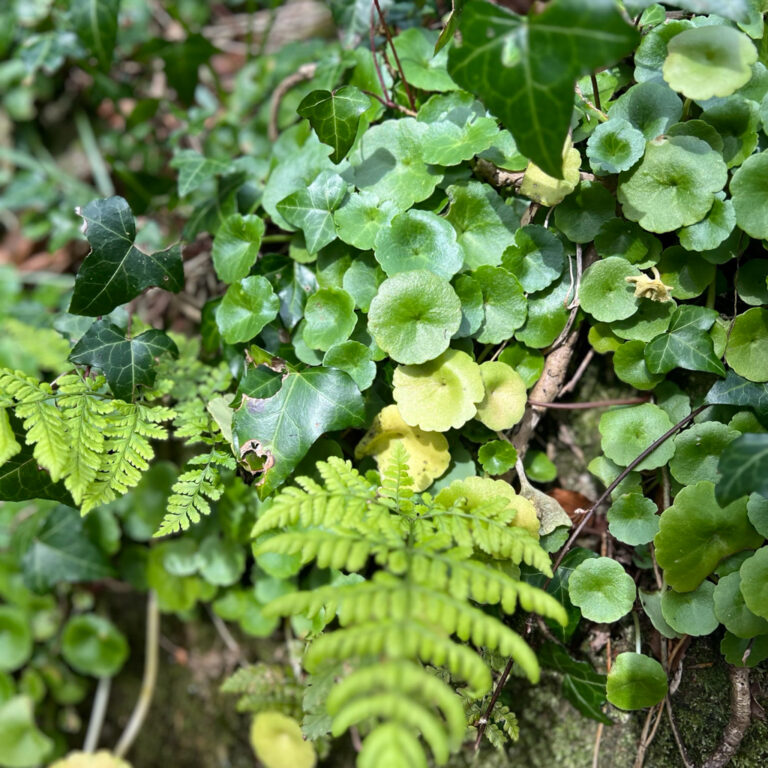
Following on from my post on Tuesday, the Pembrokeshire hedges are actually stone walls with an earth bank inside, which give pockets of soil for plants to grow in. In the damp places, the navelwort

I recently visited home in Pembrokeshire with the kids. Its damp climate, streams and valleys give rise to the wet woodlands which is the landscape I miss the most. It’s a very atmospheric environment
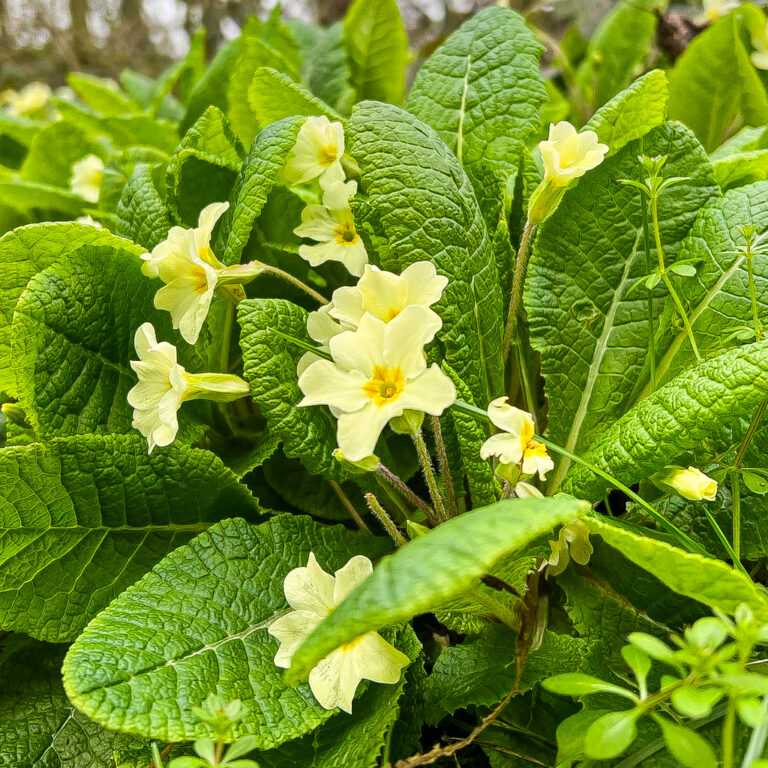
Primrose is a classic woodland flower which has been greatly cultivated over the years to give us a huge range of colours for the garden, ideal for shady spaces. Personally I prefer the wild butter yellow
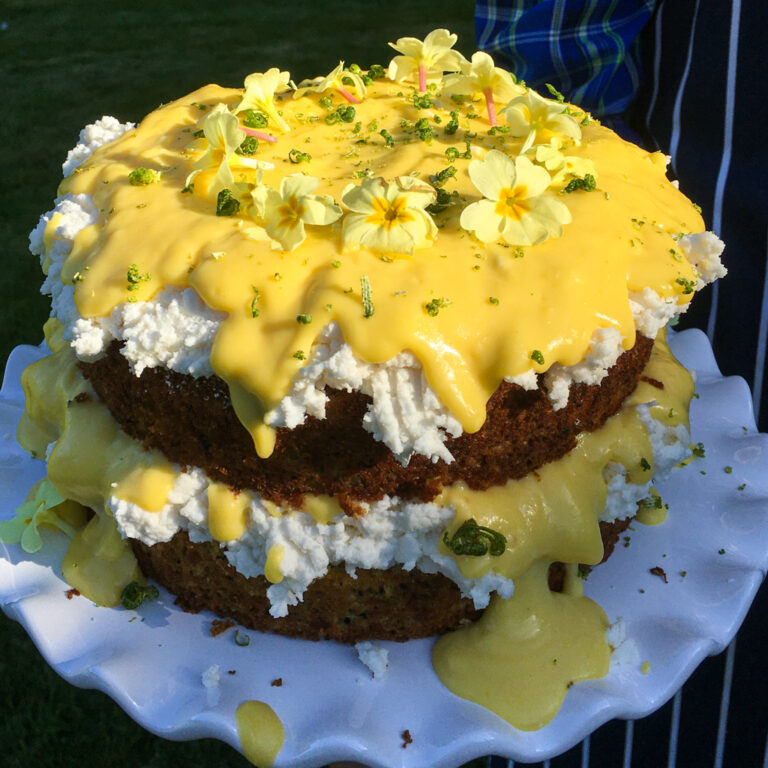
To celebrate our daughters 13th birthday this week, I thought I’d introduce you to the idea of edible flowers which I’ve used as birthday cake decorations. There are quite a few to choose from that are easy
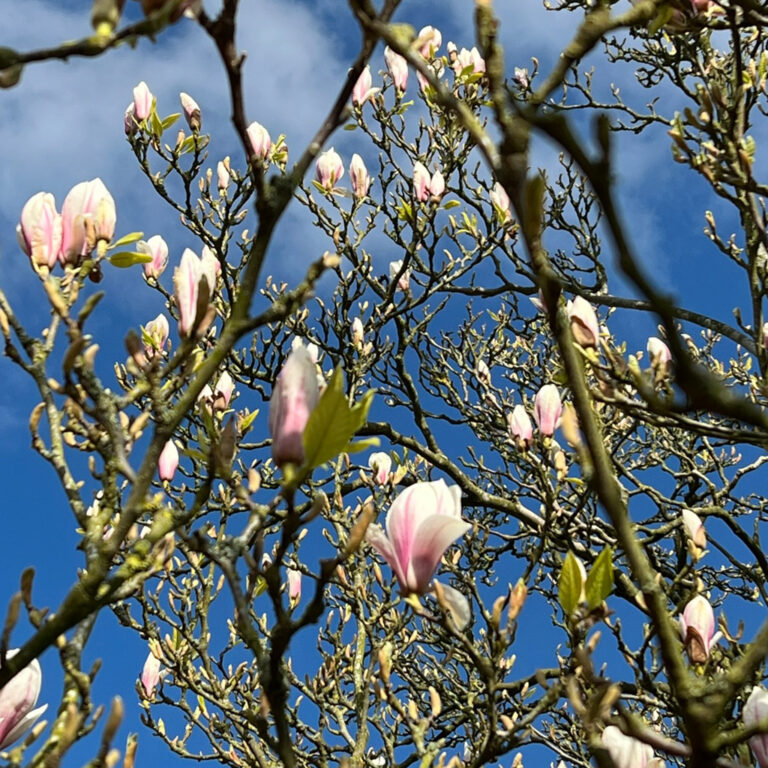
A spring flowering tree for you this week – magnolia. There are a wealth of magnolias to choose from so they are suitable for any sized garden, and have different colour options too. They are older than

This is pulmonaria. It’s a much overlooking plant not least because it only grows to about 20cm tall, but it’s a cracker of a plant. It’s very robust, evergreen, spreads itself across our garden (though very slowly).
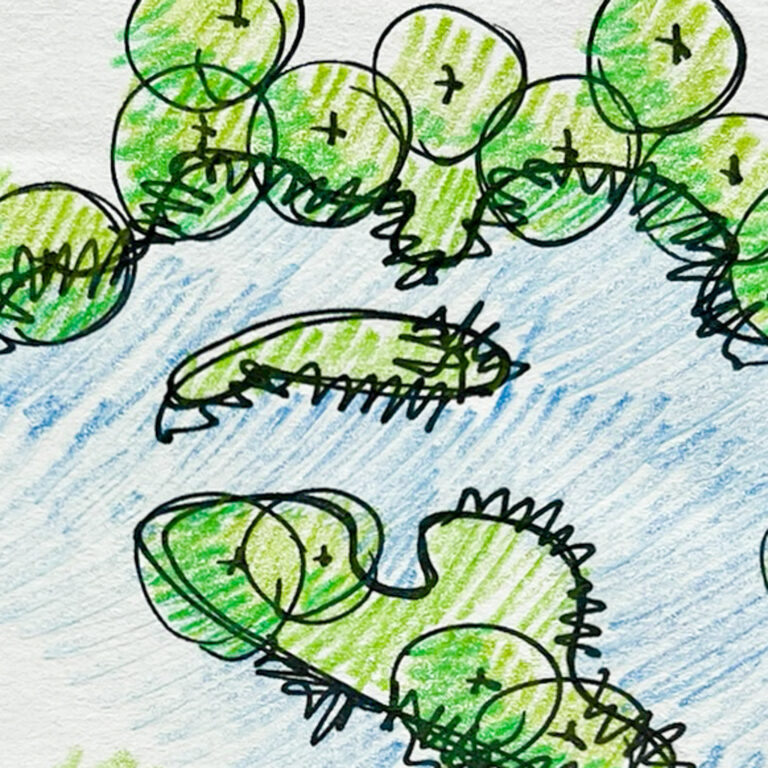
This sketch is a design development for a project restoring a river to its old self and improving the river and wetland habitats. Many years ago the fashion was to straighten out rivers in a misguided effort
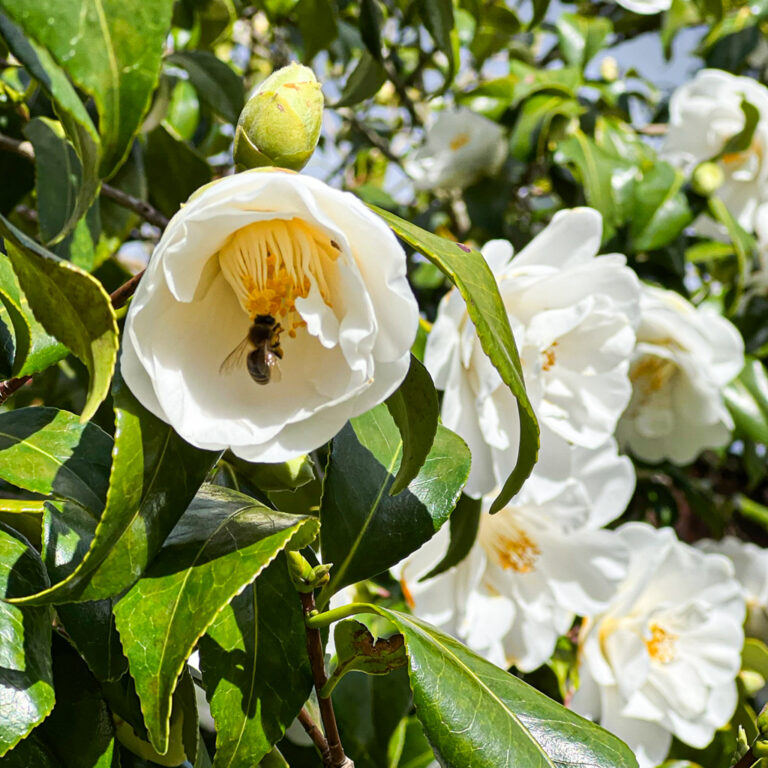
This camellia bush in our garden was literally buzzing with insects in the sun at the weekend. You can really see in this photo, but the bees knees were laden with pollen – clearly an early season favourite